
" height="12.403432762384911px" id="l7b5ZGNv4" transform="translate(2 2)" width="12.403px"/></svg>)
" transform="translate(5 6)" width="14px"/></svg>)
" width="46.94591999053955px"><path d="M 0 40 L 0 0 L 40 0 L 40 40 Z" fill="transparent" height="40px" id="QDnZnCUUp" transform="translate(4.946 0)" width="40px"/><g d="M 0 39.392 L 6.946 0 L 46.946 0 L 40 39.392 Z M 12.056 4.101 C 12.216 3.195 13.091 2.462 14.012 2.462 L 39.012 2.462 C 39.932 2.462 40.549 3.195 40.389 4.101 C 40.033 6.125 39.281 10.388 37.795 18.814 C 35.399 32.403 20.579 36.11 20.579 36.11 C 20.579 36.11 7.066 32.403 9.462 18.814 C 10.948 10.388 11.699 6.125 12.056 4.101 Z M 18.784 24.666 C 18.112 23.865 18.282 22.616 19.163 21.877 L 29.457 13.239 C 30.338 12.499 31.598 12.549 32.27 13.351 L 32.27 13.351 C 32.942 14.152 32.773 15.401 31.892 16.14 L 21.598 24.778 C 20.716 25.518 19.457 25.468 18.784 24.666 Z M 21.57 24.731 C 20.689 25.471 19.375 25.356 18.635 24.475 L 15.714 20.993 C 14.974 20.112 15.089 18.798 15.97 18.058 L 16.236 17.835 C 17.118 17.095 18.432 17.21 19.171 18.091 L 22.093 21.573 C 22.832 22.455 22.717 23.769 21.836 24.508 Z" fill="transparent" height="39.39232px" id="HEBnRc7VS" transform="translate(0 0.981)" width="46.94592px"><path d="M 0 39.392 L 6.946 0 L 46.946 0 L 40 39.392 Z" fill="transparent" height="39.39232px" id="XPOXjQrhS" width="46.94592px"/><path d="M 2.879 1.639 C 3.039 0.733 3.914 0 4.835 0 L 29.835 0 C 30.755 0 31.372 0.733 31.212 1.639 C 30.856 3.663 30.104 7.926 28.618 16.352 C 26.222 29.941 11.402 33.648 11.402 33.648 C 11.402 33.648 -2.111 29.941 0.285 16.352 C 1.77 7.926 2.522 3.663 2.879 1.639 Z" fill="rgb(255, 180, 136)" height="33.64765px" id="PvRBmx4qv" transform="translate(9.177 2.462)" width="31.23755656458455px"/><path d="M 0.411 11.951 C -0.261 11.15 -0.091 9.901 0.79 9.161 L 11.084 0.524 C 11.965 -0.216 13.225 -0.166 13.897 0.635 L 13.897 0.635 C 14.569 1.436 14.4 2.686 13.519 3.425 L 3.225 12.063 C 2.343 12.802 1.084 12.752 0.411 11.951 Z" fill="rgb(244, 78, 32)" height="12.58629865252458px" id="oBS5uvpfb" transform="translate(18.373 12.715)" width="14.308524214843562px"/><path d="M 6.344 7.384 C 5.463 8.124 4.148 8.009 3.409 7.127 L 0.487 3.646 C -0.252 2.764 -0.137 1.45 0.744 0.711 L 1.01 0.487 C 1.892 -0.252 3.206 -0.137 3.945 0.744 L 6.867 4.226 C 7.606 5.107 7.491 6.421 6.61 7.161 Z" fill="rgb(244, 78, 32)" height="7.871646159882996px" id="CfFHPDTO2" transform="translate(15.226 17.347)" width="7.3542546478886415px"/></g></g></svg>)
" width="36.32809301481183px"><path d="M 2.805 22.978 C 0.964 22.978 -0.269 21.509 0.05 19.696 L 2.945 3.282 C 3.264 1.47 5.016 0 6.856 0 L 33.523 0 C 35.364 0 36.597 1.47 36.278 3.282 L 33.383 19.696 C 33.064 21.509 31.312 22.978 29.472 22.978 Z" fill="rgb(255, 180, 136)" height="22.9783384px" id="IlkW2xy7E" transform="translate(0 0)" width="36.32809301481183px"/><path d="M 0 0 L 9.93 9.848 L 23.333 0" fill="transparent" height="9.847999999999999px" id="pdirsPwHw" stroke-dasharray="" stroke-linecap="round" stroke-linejoin="round" stroke-width="3.333" stroke="rgb(244, 78, 32)" transform="translate(7.654 4.924)" width="23.333px"/></g></svg>)
" width="46.94592px"><path d="M 0 40 L 0 0 L 40 0 L 40 40 Z" fill="transparent" height="40px" id="iLMng1d9X" transform="translate(4 0.019)" width="40px"/><g d="M 0 39.392 L 6.946 0 L 46.946 0 L 40 39.392 Z M 7.648 22.556 C 4.421 18.71 5.52 12.475 10.104 8.629 C 14.687 4.783 21.019 4.783 24.246 8.629 L 36.906 23.717 L 20.308 37.644 Z M 26.603 8.629 C 31.186 4.783 37.518 4.783 40.745 8.629 C 43.972 12.475 42.873 18.71 38.289 22.556 L 20.308 37.644 L 8.622 23.717 Z M 17.481 10.669 C 18.034 10.669 18.404 11.11 18.308 11.654 L 17.917 13.869 L 20.167 13.869 C 20.719 13.869 21.089 14.31 20.993 14.854 L 20.733 16.331 C 20.637 16.875 20.112 17.316 19.559 17.316 L 17.309 17.316 L 16.919 19.532 C 16.823 20.076 16.297 20.517 15.745 20.517 L 14.245 20.517 C 13.693 20.517 13.323 20.076 13.419 19.532 L 13.809 17.316 L 11.559 17.316 C 11.007 17.316 10.637 16.875 10.733 16.331 L 10.993 14.854 C 11.089 14.31 11.615 13.869 12.167 13.869 L 14.417 13.869 L 14.808 11.654 C 14.904 11.11 15.429 10.669 15.981 10.669 Z" fill="transparent" height="39.39232px" id="HHyrHsys_" transform="translate(0 0)" width="46.94592px"><path d="M 0 39.392 L 6.946 0 L 46.946 0 L 40 39.392 Z" fill="transparent" height="39.39232px" id="o9aw9X51m" width="46.94592px"/><path d="M 1.852 16.812 C -1.376 12.966 -0.276 6.73 4.307 2.884 C 8.891 -0.961 15.222 -0.961 18.449 2.884 L 31.11 17.972 L 14.512 31.9 Z" fill="rgb(255, 180, 136)" height="31.8995825px" id="LXNiObCEa" transform="translate(5.796 5.745)" width="31.10972956846031px"/><path d="M 17.981 2.884 C 22.564 -0.961 28.896 -0.961 32.123 2.884 C 35.35 6.73 34.251 12.966 29.667 16.812 L 11.686 31.9 L 0 17.972 Z" fill="rgb(255, 180, 136)" height="31.89961125000122px" id="Wj6kVPqyP" transform="translate(8.622 5.745)" width="33.974758667627654px"/><path d="M 6.764 0 C 7.316 0 7.686 0.441 7.59 0.985 L 7.199 3.201 L 9.449 3.201 C 10.002 3.201 10.372 3.641 10.276 4.185 L 10.015 5.663 C 9.919 6.207 9.394 6.647 8.841 6.647 L 6.591 6.647 L 6.201 8.863 C 6.105 9.407 5.579 9.848 5.027 9.848 L 3.527 9.848 C 2.975 9.848 2.605 9.407 2.701 8.863 L 3.091 6.647 L 0.841 6.647 C 0.289 6.647 -0.081 6.207 0.015 5.663 L 0.276 4.185 C 0.372 3.641 0.897 3.201 1.449 3.201 L 3.699 3.201 L 4.09 0.985 C 4.186 0.441 4.711 0 5.264 0 Z" fill="rgb(244, 78, 32)" height="9.8481px" id="PZBNRlx_1" transform="translate(10.718 10.669)" width="10.29077014307628px"/></g></g></svg>)
" width="46.94592px"><path d="M 0 40 L 0 0 L 40 0 L 40 40 Z" fill="transparent" height="40px" id="zd35vcld1" transform="translate(3.25 0.019)" width="40px"/><g d="M 0 39.392 L 6.946 0 L 46.946 0 L 40 39.392 Z M 12.517 36.93 C 11.367 36.93 10.596 36.012 10.796 34.879 L 10.796 34.879 C 10.996 33.746 12.09 32.827 13.241 32.827 L 29.074 32.827 C 30.225 32.827 30.996 33.746 30.796 34.879 L 30.796 34.879 C 30.596 36.012 29.501 36.93 28.351 36.93 Z M 12.582 8.207 C 11.432 8.207 10.661 7.288 10.861 6.155 L 10.861 6.155 C 11.06 5.022 12.155 4.103 13.306 4.103 L 39.139 4.103 C 40.29 4.103 41.06 5.022 40.861 6.155 L 40.861 6.155 C 40.661 7.288 39.566 8.207 38.416 8.207 Z M 23.867 3.283 C 24.027 2.376 24.903 1.641 25.823 1.641 L 27.49 1.641 C 28.41 1.641 29.027 2.376 28.867 3.283 L 23.658 32.827 L 18.658 32.827 Z M 42.35 21.337 C 41.631 25.417 37.69 28.724 33.548 28.724 C 29.406 28.724 26.631 25.417 27.35 21.337 L 37.166 8.207 Z M 19.434 21.337 C 18.714 25.417 14.773 28.724 10.631 28.724 C 6.489 28.724 3.714 25.417 4.434 21.337 L 14.249 8.207 Z M 42.35 21.337 C 41.631 25.417 37.69 28.724 33.548 28.724 C 29.406 28.724 26.631 25.417 27.35 21.337 Z M 19.434 21.337 C 18.714 25.417 14.773 28.724 10.631 28.724 C 6.489 28.724 3.714 25.417 4.434 21.337 Z" fill="transparent" height="39.39232px" id="fsC8myGDm" transform="translate(0 0)" width="46.94592px"><path d="M 0 39.392 L 6.946 0 L 46.946 0 L 40 39.392 Z" fill="transparent" height="39.39232px" id="PsFmv3YD1" width="46.94592px"/><path d="M 1.753 4.103 C 0.602 4.103 -0.168 3.185 0.032 2.052 L 0.032 2.052 C 0.231 0.919 1.326 0 2.477 0 L 18.31 0 C 19.461 0 20.231 0.919 20.032 2.052 L 20.032 2.052 C 19.832 3.185 18.737 4.103 17.586 4.103 Z" fill="rgb(244, 78, 32)" height="4.103369949360001px" id="hZW_uZvFs" transform="translate(10.764 32.827)" width="20.06304929534654px"/><path d="M 1.753 4.103 C 0.602 4.103 -0.168 3.185 0.032 2.052 L 0.032 2.052 C 0.231 0.919 1.326 0 2.477 0 L 28.31 0 C 29.461 0 30.231 0.919 30.032 2.052 L 30.032 2.052 C 29.832 3.185 28.737 4.103 27.586 4.103 Z" fill="rgb(244, 78, 32)" height="4.103369949360001px" id="rU_5YkSg7" transform="translate(10.829 4.103)" width="30.063049295346552px"/><path d="M 5.209 1.641 C 5.369 0.735 6.245 0 7.166 0 L 8.832 0 C 9.753 0 10.369 0.735 10.209 1.641 L 5 31.186 L 0 31.186 Z" fill="rgb(255, 180, 136)" height="31.18562px" id="NbTSF200Q" transform="translate(18.658 1.641)" width="10.234708534795281px"/><path d="M 15.113 13.131 C 14.394 17.21 10.453 20.517 6.311 20.517 C 2.169 20.517 -0.606 17.21 0.113 13.131 L 9.929 0 Z" fill="rgb(255, 180, 136)" height="20.51686px" id="hafeV1nNl" transform="translate(27.237 8.207)" width="15.113492584275921px"/><path d="M 15.113 13.131 C 14.394 17.21 10.453 20.517 6.311 20.517 C 2.169 20.517 -0.606 17.21 0.113 13.131 L 9.929 0 Z" fill="rgb(255, 180, 136)" height="20.51686px" id="L3VLO_56x" transform="translate(4.32 8.207)" width="15.11349552101218px"/><path d="M 15.113 0 C 14.394 4.079 10.453 7.386 6.311 7.386 C 2.169 7.386 -0.606 4.079 0.113 0 Z" fill="rgb(244, 78, 32)" height="7.386099999999999px" id="T5w_WXIIt" transform="translate(27.237 21.337)" width="15.113492584275921px"/><path d="M 15.113 0 C 14.394 4.079 10.453 7.386 6.311 7.386 C 2.169 7.386 -0.606 4.079 0.113 0 Z" fill="rgb(244, 78, 32)" height="7.386099999999999px" id="nPNntLLbb" transform="translate(4.32 21.337)" width="15.113494962836334px"/></g></g></svg>)
" width="46.94592px"><path d="M 0 40 L 0 0 L 40 0 L 40 40 Z" fill="transparent" height="40px" id="swpMYhYPS" transform="translate(4 0.019)" width="40px"/><g d="M 0 39.392 L 6.946 0 L 46.946 0 L 40 39.392 Z M 8.832 8.207 C 9.152 6.394 10.903 4.924 12.744 4.924 L 39.411 4.924 C 41.252 4.924 42.485 6.394 42.166 8.207 L 39.271 24.62 C 38.952 26.433 37.2 27.903 35.359 27.903 L 8.693 27.903 C 6.852 27.903 5.618 26.433 5.938 24.62 Z M 12.442 27.903 L 22.442 27.903 L 14.045 34.949 C 12.813 35.983 11.147 35.251 11.405 33.788 Z M 15.284 18.875 C 13.904 18.875 12.979 17.773 13.218 16.413 L 13.218 16.413 C 13.458 15.054 14.772 13.951 16.153 13.951 L 16.153 13.951 C 17.533 13.951 18.458 15.054 18.218 16.413 L 18.218 16.413 C 17.979 17.773 16.665 18.875 15.284 18.875 Z M 24.034 18.875 C 22.654 18.875 21.729 17.773 21.968 16.413 L 21.968 16.413 C 22.208 15.054 23.522 13.951 24.903 13.951 L 24.903 13.951 C 26.283 13.951 27.208 15.054 26.968 16.413 L 26.968 16.413 C 26.729 17.773 25.415 18.875 24.034 18.875 Z M 32.784 18.875 C 31.404 18.875 30.479 17.773 30.718 16.413 L 30.718 16.413 C 30.958 15.054 32.272 13.951 33.653 13.951 L 33.653 13.951 C 35.033 13.951 35.958 15.054 35.718 16.413 L 35.718 16.413 C 35.479 17.773 34.165 18.875 32.784 18.875 Z" fill="transparent" height="39.39232px" id="iaZBijuj2" transform="translate(0 0)" width="46.94592px"><path d="M 0 39.392 L 6.946 0 L 46.946 0 L 40 39.392 Z" fill="transparent" height="39.39232px" id="tWlPS0fcx" width="46.94592px"/><path d="M 2.945 3.283 C 3.264 1.47 5.016 0 6.857 0 L 33.523 0 C 35.364 0 36.598 1.47 36.278 3.283 L 33.384 19.696 C 33.064 21.509 31.313 22.979 29.472 22.979 L 2.805 22.979 C 0.964 22.979 -0.269 21.509 0.05 19.696 Z" fill="rgb(255, 180, 136)" height="22.97887px" id="m7oSyz9IS" transform="translate(5.888 4.924)" width="36.32833479768277px"/><path d="M 1.064 0 L 11.064 0 L 2.667 7.046 C 1.435 8.08 -0.231 7.348 0.027 5.885 Z" fill="rgb(255, 180, 136)" height="7.530139194322491px" id="V976Za380" transform="translate(11.378 27.903)" width="11.064443047363063px"/><path d="M 2.104 4.924 C 0.723 4.924 -0.202 3.822 0.038 2.462 L 0.038 2.462 C 0.278 1.102 1.591 0 2.972 0 L 2.972 0 C 4.353 0 5.278 1.102 5.038 2.462 L 5.038 2.462 C 4.798 3.822 3.484 4.924 2.104 4.924 Z" fill="rgb(244, 78, 32)" height="4.924039999999998px" id="YTIX0YWTc" transform="translate(13.181 13.951)" width="5.0756571916913575px"/><path d="M 2.104 4.924 C 0.723 4.924 -0.202 3.822 0.038 2.462 L 0.038 2.462 C 0.278 1.102 1.591 0 2.972 0 L 2.972 0 C 4.353 0 5.278 1.102 5.038 2.462 L 5.038 2.462 C 4.798 3.822 3.484 4.924 2.104 4.924 Z" fill="rgb(244, 78, 32)" height="4.924039999999998px" id="Y7IqTjMLy" transform="translate(21.931 13.951)" width="5.075657191691363px"/><path d="M 2.104 4.924 C 0.723 4.924 -0.202 3.822 0.038 2.462 L 0.038 2.462 C 0.278 1.102 1.591 0 2.972 0 L 2.972 0 C 4.353 0 5.278 1.102 5.038 2.462 L 5.038 2.462 C 4.798 3.822 3.484 4.924 2.104 4.924 Z" fill="rgb(244, 78, 32)" height="4.924039999999998px" id="oAtmMRlot" transform="translate(30.681 13.951)" width="5.075657191691363px"/></g></g></svg>)
" width="46.94592px"><path d="M 0 40 L 0 0 L 40 0 L 40 40 Z" fill="transparent" height="40px" id="gLRvFpoxZ" transform="translate(3 0.019)" width="40px"/><g d="M 0 39.392 L 6.946 0 L 46.946 0 L 40 39.392 Z M 6.702 34.468 C 4.861 34.468 3.627 32.999 3.947 31.186 L 7.999 8.207 C 8.318 6.394 10.07 4.924 11.911 4.924 L 40.244 4.924 C 42.085 4.924 43.318 6.394 42.999 8.207 L 38.947 31.186 C 38.627 32.999 36.876 34.468 35.035 34.468 Z M 4.416 23.799 L 41.083 23.799 L 39.78 31.186 C 39.461 32.999 37.709 34.468 35.868 34.468 L 5.868 34.468 C 4.027 34.468 2.794 32.999 3.114 31.186 Z M 8.872 22.158 C 9.192 20.345 10.943 18.875 12.784 18.875 L 34.451 18.875 C 36.292 18.875 37.525 20.345 37.206 22.158 L 36.916 23.799 L 8.583 23.799 Z M 16.519 30.775 C 15.599 30.775 14.982 30.04 15.142 29.134 L 15.142 29.134 C 15.302 28.227 16.178 27.493 17.098 27.493 L 27.098 27.493 C 28.019 27.493 28.635 28.227 28.475 29.134 L 28.475 29.134 C 28.316 30.04 27.44 30.775 26.519 30.775 Z" fill="transparent" height="39.39232px" id="iW_jsYknz" transform="translate(0 0)" width="46.94592px"><path d="M 0 39.392 L 6.946 0 L 46.946 0 L 40 39.392 Z" fill="transparent" height="39.39232px" id="HcU8QwSEj" width="46.94592px"/><path d="M 2.805 29.544 C 0.964 29.544 -0.269 28.075 0.05 26.262 L 4.102 3.283 C 4.422 1.47 6.173 0 8.014 0 L 36.348 0 C 38.189 0 39.422 1.47 39.102 3.283 L 35.05 26.262 C 34.731 28.075 32.979 29.544 31.138 29.544 Z" fill="rgb(244, 78, 32)" height="29.54424px" id="OtvYN8yDN" transform="translate(3.897 4.924)" width="39.152663979032226px"/><path d="M 1.353 0 L 38.019 0 L 36.717 7.386 C 36.397 9.199 34.646 10.669 32.805 10.669 L 2.805 10.669 C 0.964 10.669 -0.269 9.199 0.05 7.386 Z" fill="rgb(255, 180, 136)" height="10.668800000000001px" id="ZiEc0n0Zd" transform="translate(3.063 23.799)" width="38.019461885934504px"/><path d="M 0.289 3.283 C 0.609 1.47 2.361 0 4.202 0 L 25.868 0 C 27.709 0 28.942 1.47 28.623 3.283 L 28.333 4.924 L 0 4.924 Z" fill="rgb(255, 255, 255)" height="4.9239999999999995px" id="RPuhXZ6KE" transform="translate(8.583 18.875)" width="28.673207069590568px"/><path d="M 1.402 3.283 C 0.482 3.283 -0.135 2.548 0.025 1.641 L 0.025 1.641 C 0.185 0.735 1.061 0 1.981 0 L 11.981 0 C 12.902 0 13.518 0.735 13.359 1.641 L 13.359 1.641 C 13.199 2.548 12.323 3.283 11.402 3.283 Z" fill="rgb(244, 78, 32)" height="3.2826900506399994px" id="Us3mUza2E" transform="translate(15.117 27.493)" width="13.383737929510248px"/></g></g></svg>)
" width="46.94592px"><path d="M 0 40 L 0 0 L 40 0 L 40 40 Z" fill="transparent" height="40px" id="jHyW7O04v" transform="translate(3.413 0.019)" width="40px"/><g d="M 0 39.392 L 6.946 0 L 46.946 0 L 40 39.392 Z M 9.981 6.419 C 10.336 4.403 12.18 2.712 14.253 2.501 L 26.303 1.274 C 26.586 1.246 26.867 1.246 27.14 1.274 L 38.757 2.501 C 40.756 2.712 42.003 4.403 41.648 6.419 L 37.613 29.298 C 37.23 31.474 35.128 33.237 32.919 33.237 L 9.252 33.237 C 7.043 33.237 5.563 31.474 5.947 29.298 Z M 14.467 22.569 C 12.257 22.569 10.778 20.805 11.161 18.629 L 12.666 10.094 C 13.05 7.919 15.152 6.155 17.361 6.155 L 34.361 6.155 C 36.57 6.155 38.05 7.919 37.666 10.094 L 36.161 18.629 C 35.778 20.805 33.676 22.569 31.467 22.569 Z M 7.752 33.237 L 14.419 33.237 L 14.274 34.058 C 13.954 35.871 12.203 37.341 10.362 37.341 C 8.521 37.341 7.288 35.871 7.607 34.058 Z M 27.752 33.237 L 34.835 33.237 L 34.727 33.853 C 34.387 35.779 32.526 37.341 30.57 37.341 C 28.614 37.341 27.304 35.779 27.643 33.853 Z M 31.664 29.955 C 30.283 29.955 29.358 28.852 29.598 27.493 L 29.598 27.493 C 29.838 26.133 31.152 25.03 32.532 25.03 L 32.532 25.03 C 33.913 25.03 34.838 26.133 34.598 27.493 L 34.598 27.493 C 34.358 28.852 33.045 29.955 31.664 29.955 Z M 11.664 29.955 C 10.283 29.955 9.358 28.852 9.598 27.493 L 9.598 27.493 C 9.838 26.133 11.152 25.03 12.532 25.03 L 12.532 25.03 C 13.913 25.03 14.838 26.133 14.598 27.493 L 14.598 27.493 C 14.358 28.852 13.045 29.955 11.664 29.955 Z" fill="transparent" height="39.39232px" id="pkdrfzhAp" transform="translate(0 0)" width="46.94592px"><path d="M 0 39.392 L 6.946 0 L 46.946 0 L 40 39.392 Z" fill="transparent" height="39.39232px" id="Bj3ctYoTf" width="46.94592px"/><path d="M 4.095 5.166 C 4.45 3.15 6.294 1.459 8.367 1.248 L 20.416 0.022 C 20.7 -0.007 20.981 -0.007 21.254 0.022 L 32.871 1.248 C 34.87 1.459 36.117 3.15 35.761 5.166 L 31.727 28.045 C 31.344 30.221 29.242 31.984 27.033 31.984 L 3.366 31.984 C 1.157 31.984 -0.323 30.221 0.061 28.045 Z" fill="rgb(255, 180, 136)" height="31.9844975px" id="mDZyRk9eU" transform="translate(5.886 1.253)" width="35.82178464274364px"/><path d="M 3.366 16.413 C 1.157 16.413 -0.323 14.65 0.061 12.474 L 1.565 3.939 C 1.949 1.764 4.051 0 6.26 0 L 23.26 0 C 25.469 0 26.949 1.764 26.565 3.939 L 25.061 12.474 C 24.677 14.65 22.575 16.413 20.366 16.413 Z" fill="rgb(244, 78, 32)" height="16.4134994936px" id="KtlAQITAU" transform="translate(11.101 6.155)" width="26.626006628306172px"/><path d="M 0.195 0 L 6.862 0 L 6.717 0.821 C 6.397 2.634 4.646 4.103 2.805 4.103 C 0.964 4.103 -0.269 2.634 0.05 0.821 Z" fill="rgb(244, 78, 32)" height="4.103299999999997px" id="opA9XAcb1" transform="translate(7.557 33.237)" width="6.861856228241603px"/><path d="M 0.162 0 L 7.245 0 L 7.137 0.615 C 6.797 2.542 4.936 4.103 2.98 4.103 C 1.024 4.103 -0.286 2.542 0.054 0.615 Z" fill="rgb(244, 78, 32)" height="4.103299999999997px" id="St6jZRdrZ" transform="translate(27.59 33.237)" width="7.245403218942222px"/><path d="M 2.104 4.924 C 0.723 4.924 -0.202 3.822 0.038 2.462 L 0.038 2.462 C 0.278 1.102 1.591 0 2.972 0 L 2.972 0 C 4.353 0 5.278 1.102 5.038 2.462 L 5.038 2.462 C 4.798 3.822 3.484 4.924 2.104 4.924 Z" fill="rgb(244, 78, 32)" height="4.924039999999998px" id="vKRsB4gn_" transform="translate(29.56 25.03)" width="5.075657191691363px"/><path d="M 2.104 4.924 C 0.723 4.924 -0.202 3.822 0.038 2.462 L 0.038 2.462 C 0.278 1.102 1.591 0 2.972 0 L 2.972 0 C 4.353 0 5.278 1.102 5.038 2.462 L 5.038 2.462 C 4.798 3.822 3.484 4.924 2.104 4.924 Z" fill="rgb(244, 78, 32)" height="4.924039999999998px" id="uXaIyQtuQ" transform="translate(9.56 25.03)" width="5.075657191691359px"/></g></g></svg>)
" width="46.94592px"><path d="M 0 40 L 0 0 L 40 0 L 40 40 Z" fill="transparent" height="40px" id="vMsJ0YBZ2" transform="translate(4 0.019)" width="40px"/><g d="M 0 39.392 L 6.946 0 L 46.946 0 L 40 39.392 Z M 12.756 7.222 C 13.139 5.046 15.241 3.283 17.45 3.283 L 38.617 3.283 C 40.826 3.283 42.306 5.046 41.922 7.222 L 37.523 32.17 C 37.14 34.346 35.038 36.11 32.829 36.11 L 11.662 36.11 C 9.453 36.11 7.973 34.346 8.357 32.17 Z M 18.473 19.696 C 19.272 15.164 23.651 11.489 28.253 11.489 C 32.856 11.489 35.939 15.164 35.14 19.696 C 34.34 24.229 29.962 27.903 25.359 27.903 C 20.757 27.903 17.674 24.229 18.473 19.696 Z M 26.704 20.815 C 29.57 20.815 31.613 22.807 31.719 25.462 C 31.325 27.698 26.992 31.801 24.672 31.801 C 22.351 31.801 19.466 27.698 19.86 25.462 C 20.902 22.807 23.647 20.815 26.514 20.815 Z M 27.99 12.982 C 29.873 12.982 31.134 14.485 30.807 16.339 C 30.48 18.193 28.689 19.696 26.806 19.696 C 24.923 19.696 23.662 18.193 23.989 16.339 C 24.316 14.485 26.107 12.982 27.99 12.982 Z M 10.377 25.441 C 11.757 25.441 12.682 26.543 12.443 27.903 C 12.203 29.262 10.889 30.364 9.509 30.365 L 7.842 30.365 C 6.461 30.365 5.536 29.262 5.776 27.903 C 6.016 26.543 7.329 25.441 8.71 25.441 Z M 11.824 17.234 C 13.205 17.234 14.13 18.337 13.89 19.696 C 13.65 21.056 12.336 22.158 10.956 22.158 L 9.289 22.158 C 7.908 22.158 6.983 21.056 7.223 19.696 C 7.463 18.336 8.776 17.234 10.157 17.234 Z M 13.271 9.028 C 14.651 9.028 15.577 10.13 15.337 11.49 C 15.097 12.849 13.783 13.952 12.403 13.952 L 10.736 13.952 C 9.355 13.952 8.43 12.849 8.67 11.49 C 8.91 10.13 10.223 9.028 11.604 9.028 Z" fill="transparent" height="39.39232px" id="WaAJ1oVJ6" transform="translate(0 0)" width="46.94592px"><path d="M 0 39.392 L 6.946 0 L 46.946 0 L 40 39.392 Z" fill="transparent" height="39.39232px" id="Dy0WnAQXj" width="46.94592px"/><path d="M 4.46 3.939 C 4.843 1.764 6.945 0 9.154 0 L 30.321 0 C 32.53 0 34.01 1.764 33.626 3.939 L 29.227 28.888 C 28.844 31.063 26.742 32.827 24.533 32.827 L 3.366 32.827 C 1.157 32.827 -0.323 31.063 0.061 28.888 Z" fill="rgb(255, 180, 136)" height="32.826969999999996px" id="IyLPOIJDL" transform="translate(8.296 3.283)" width="33.68680954941891px"/><path d="M 0.126 8.207 C 0.925 3.674 5.304 0 9.906 0 C 14.509 0 17.592 3.674 16.793 8.207 C 15.994 12.739 11.615 16.413 7.012 16.413 C 2.41 16.413 -0.673 12.739 0.126 8.207 Z" fill="rgb(244, 78, 32)" height="16.413460101280002px" id="fpMgPjGGS" transform="translate(18.347 11.489)" width="16.918850538094937px"/><path d="M 6.88 0 C 9.747 0 11.79 1.992 11.896 4.646 C 11.501 6.883 7.169 10.986 4.848 10.986 C 2.528 10.986 -0.358 6.883 0.036 4.646 C 1.078 1.992 3.824 0 6.691 0 Z" fill="rgb(255, 180, 136)" height="10.985800000000001px" id="BXNYhppi7" transform="translate(19.824 20.815)" width="11.89553156298831px"/><path d="M 4.053 0 C 5.935 0 7.197 1.503 6.87 3.357 C 6.543 5.211 4.751 6.715 2.869 6.715 C 0.986 6.715 -0.275 5.211 0.052 3.357 C 0.379 1.503 2.17 0 4.053 0 Z" fill="rgb(255, 180, 136)" height="6.714599999999999px" id="lgK6PreCn" transform="translate(23.938 12.982)" width="6.921370918612862px"/><path d="M 4.639 16.413 C 6.019 16.413 6.944 17.515 6.705 18.875 C 6.465 20.235 5.151 21.337 3.771 21.337 L 2.104 21.337 C 0.723 21.337 -0.202 20.235 0.038 18.875 C 0.278 17.515 1.591 16.413 2.972 16.413 Z M 6.086 8.206 C 7.466 8.207 8.392 9.309 8.152 10.668 C 7.912 12.028 6.598 13.13 5.218 13.13 L 3.551 13.13 C 2.17 13.13 1.245 12.028 1.485 10.668 C 1.725 9.309 3.038 8.206 4.419 8.206 Z M 7.533 0 C 8.913 0 9.839 1.102 9.599 2.462 C 9.359 3.822 8.045 4.924 6.665 4.924 L 4.998 4.924 C 3.617 4.924 2.692 3.822 2.932 2.462 C 3.172 1.102 4.485 0 5.866 0 Z" fill="rgb(244, 78, 32)" height="21.33690937194824px" id="s8m6Ano5j" transform="translate(5.738 9.028)" width="9.636675870450608px"/></g></g></svg>)



" width="22.142349217048434px"><path d="M 9.61 0.634 C 9.988 0.23 10.517 0 11.071 0 C 11.625 0 12.154 0.23 12.532 0.634 L 13.895 2.092 C 14.289 2.514 14.846 2.745 15.423 2.725 L 17.418 2.658 C 17.972 2.64 18.508 2.851 18.9 3.243 C 19.291 3.634 19.503 4.171 19.484 4.724 L 19.417 6.719 C 19.398 7.296 19.629 7.853 20.05 8.247 L 21.508 9.61 C 21.913 9.988 22.142 10.517 22.142 11.071 C 22.142 11.625 21.913 12.154 21.508 12.532 L 20.05 13.895 C 19.629 14.289 19.398 14.846 19.417 15.423 L 19.484 17.418 C 19.503 17.972 19.291 18.508 18.9 18.9 C 18.508 19.291 17.972 19.503 17.418 19.484 L 15.423 19.417 C 14.846 19.398 14.289 19.629 13.895 20.05 L 12.532 21.508 C 12.154 21.913 11.625 22.142 11.071 22.142 C 10.517 22.142 9.988 21.913 9.61 21.508 L 8.247 20.05 C 7.853 19.629 7.296 19.398 6.719 19.417 L 4.724 19.484 C 4.171 19.503 3.634 19.291 3.243 18.9 C 2.851 18.508 2.64 17.972 2.658 17.418 L 2.725 15.423 C 2.745 14.846 2.514 14.289 2.092 13.895 L 0.634 12.531 C 0.23 12.153 0 11.624 0 11.07 C 0 10.516 0.23 9.987 0.634 9.609 L 2.092 8.246 C 2.514 7.852 2.745 7.295 2.725 6.718 L 2.658 4.723 C 2.64 4.17 2.851 3.633 3.243 3.242 C 3.634 2.85 4.171 2.639 4.724 2.657 L 6.719 2.724 C 7.296 2.744 7.853 2.513 8.247 2.091 L 9.61 0.633 Z" fill="rgb(0, 116, 52)" height="22.142349217048377px" id="ytJyyUTPF" width="22.142349217048434px"/><path d="M 0 3 L 3 6 L 9 0" fill="transparent" height="6px" id="oNmgA7D5s" stroke-dasharray="" stroke-linecap="round" stroke-linejoin="round" stroke-width="2" stroke="rgb(255, 255, 255)" transform="translate(6.5 8)" width="9px"/></g></svg>)
Safety advice for travelling in Northern Ireland
Travelling through Northern Ireland can be an exciting adventure, particularly for adventurous Australian travellers seeking to explore this culturally rich region of the United Kingdom. Staying alert and considering safety precautions can make all the difference on your trip to Northern Ireland. Use our Northern Ireland travel guide to stay informed of general risks and safety tips.
Crime and travel scams in Northern Ireland
Even though Northern Ireland is generally considered secure for tourists, being prepared for small crimes and travel scams is wise. If you're travelling from Australia, understanding local tourist scams and remaining watchful will help make your visit safer and more enjoyable.
Pickpocketing
Common in busy tourist areas like Belfast city centre and at popular attractions. Keep valuables secure, use bags with zippers, and avoid displaying expensive items like jewellery or large amounts of cash.
Tour safety and scams
Book tours through reputable operators and verify credentials. Be wary of unofficial tour guides offering services at tourist hotspots, and always confirm prices and inclusions before committing to any tour packages.
Overpriced taxis
Use licensed taxi companies or ride-sharing apps where available. Agree on fares before starting your journey, especially for longer trips, and ask locals or your accommodation for recommended taxi services.
Fake photography scams
Be cautious of individuals offering to take your photo at tourist sites who may then demand payment or attempt to distract you while accomplices target your belongings.
Cyber security
Use secure Wi-Fi networks and avoid accessing sensitive information on public networks. Keep your devices updated and be cautious when using ATMs in remote or poorly lit areas.
Civil unrest and terrorism in Northern Ireland
Northern Ireland is part of the UK where the threat of terrorism is 'substantial' according to Smartraveller. It's important to stay aware of your surroundings and avoid any areas where demonstrations or civil unrest may be occurring. Monitor local news and follow guidance from local authorities. In case of emergency, contact local police by dialling 999. Stay updated through official platforms such as Smartraveller or the Australian Department of Foreign Affairs and Trade (DFAT) and keep an eye out on Fast Cover’s travel alerts.
Safety for sports and adventure activities
From hiking in the Mourne Mountains to experiencing the Carrick-a-Rede Rope Bridge and exploring the Causeway Coastal Route, Northern Ireland offers exciting activities for travellers. Ensure you have the relevant skills and safety equipment for the activities you will be participating in and follow your instructor's safety briefing, especially when participating in outdoor adventure activities along Northern Ireland's dramatic coastline and mountainous regions. Consider taking out travel insurance to provide cover for your chosen activities in Northern Ireland.
Sports and leisure activities
Fast Cover’s list of Covered Sports and Leisure Activities provide cover for a wide range of activities.*
Adventure activities
Fast Cover's optional Adventure Pack provides cover for a list of adventure activities for an added premium.*
Always check the eligibility criteria, policy terms, conditions, exclusions and limits that apply. Consider the PDS prior to deciding on which policy is right for you and your needs.
Climate and natural disasters in Northern Ireland
Northern Ireland's temperate oceanic climate means it experiences mild, changeable weather throughout the year with frequent rainfall. Understanding the potential weather patterns and natural events will help you prepare for your trip to Northern Ireland. Remember, Fast Cover's travel alerts can also provide updates during severe weather events.
Severe storms
Atlantic storms can bring strong winds and heavy rain, particularly between October and March. These storms can disrupt transport services and outdoor activities. Stay informed about weather warnings and follow local authority guidance during severe weather events.
Flooding
Northern Ireland can experience flooding, particularly during winter months when heavy rainfall combines with snowmelt from higher elevations. Coastal areas may also experience flooding during high tides and storm surges. Monitor weather forecasts and avoid driving through flooded roads.
Snow and ice
While snow is relatively rare in lowland areas, Northern Ireland can experience icy conditions during winter months. Mountainous regions like the Mourne Mountains may see more significant snowfall. Check weather conditions before travelling to higher elevations and ensure you have appropriate clothing and equipment.
Safety advice for travelling in Northern Ireland
Travelling through Northern Ireland can be an exciting adventure, particularly for adventurous Australian travellers seeking to explore this culturally rich region of the United Kingdom. Staying alert and considering safety precautions can make all the difference on your trip to Northern Ireland. Use our Northern Ireland travel guide to stay informed of general risks and safety tips.
Crime and travel scams in Northern Ireland
Even though Northern Ireland is generally considered secure for tourists, being prepared for small crimes and travel scams is wise. If you're travelling from Australia, understanding local tourist scams and remaining watchful will help make your visit safer and more enjoyable.
Pickpocketing
Common in busy tourist areas like Belfast city centre and at popular attractions. Keep valuables secure, use bags with zippers, and avoid displaying expensive items like jewellery or large amounts of cash.
Tour safety and scams
Book tours through reputable operators and verify credentials. Be wary of unofficial tour guides offering services at tourist hotspots, and always confirm prices and inclusions before committing to any tour packages.
Overpriced taxis
Use licensed taxi companies or ride-sharing apps where available. Agree on fares before starting your journey, especially for longer trips, and ask locals or your accommodation for recommended taxi services.
Fake photography scams
Be cautious of individuals offering to take your photo at tourist sites who may then demand payment or attempt to distract you while accomplices target your belongings.
Cyber security
Use secure Wi-Fi networks and avoid accessing sensitive information on public networks. Keep your devices updated and be cautious when using ATMs in remote or poorly lit areas.
Civil unrest and terrorism in Northern Ireland
Northern Ireland is part of the UK where the threat of terrorism is 'substantial' according to Smartraveller. It's important to stay aware of your surroundings and avoid any areas where demonstrations or civil unrest may be occurring. Monitor local news and follow guidance from local authorities. In case of emergency, contact local police by dialling 999. Stay updated through official platforms such as Smartraveller or the Australian Department of Foreign Affairs and Trade (DFAT) and keep an eye out on Fast Cover’s travel alerts.
Safety for sports and adventure activities
From hiking in the Mourne Mountains to experiencing the Carrick-a-Rede Rope Bridge and exploring the Causeway Coastal Route, Northern Ireland offers exciting activities for travellers. Ensure you have the relevant skills and safety equipment for the activities you will be participating in and follow your instructor's safety briefing, especially when participating in outdoor adventure activities along Northern Ireland's dramatic coastline and mountainous regions. Consider taking out travel insurance to provide cover for your chosen activities in Northern Ireland.
Sports and leisure activities
Fast Cover’s list of Covered Sports and Leisure Activities provide cover for a wide range of activities.*
Adventure activities
Fast Cover's optional Adventure Pack provides cover for a list of adventure activities for an added premium.*
Always check the eligibility criteria, policy terms, conditions, exclusions and limits that apply. Consider the PDS prior to deciding on which policy is right for you and your needs.
Climate and natural disasters in Northern Ireland
Northern Ireland's temperate oceanic climate means it experiences mild, changeable weather throughout the year with frequent rainfall. Understanding the potential weather patterns and natural events will help you prepare for your trip to Northern Ireland. Remember, Fast Cover's travel alerts can also provide updates during severe weather events.
Severe storms
Atlantic storms can bring strong winds and heavy rain, particularly between October and March. These storms can disrupt transport services and outdoor activities. Stay informed about weather warnings and follow local authority guidance during severe weather events.
Flooding
Northern Ireland can experience flooding, particularly during winter months when heavy rainfall combines with snowmelt from higher elevations. Coastal areas may also experience flooding during high tides and storm surges. Monitor weather forecasts and avoid driving through flooded roads.
Snow and ice
While snow is relatively rare in lowland areas, Northern Ireland can experience icy conditions during winter months. Mountainous regions like the Mourne Mountains may see more significant snowfall. Check weather conditions before travelling to higher elevations and ensure you have appropriate clothing and equipment.
When is the best time to visit Northern Ireland?
The best time to visit Northern Ireland should align with your interests, chosen activities, and preferred weather conditions. Northern Ireland's diverse landscapes and rich cultural heritage offer distinct opportunities in every season.
Season | Winter | Spring | Summer | Autumn |
|---|---|---|---|---|
Months | December - February | March - May | June - August | September - November |
Weather conditions | Cool and wet weather with temperatures typically ranging between 4-7°C with frequent rain and wind | Mild weather with temperatures typically ranging between 7-13°C with increased daylight | Warmest and driest conditions with temperatures typically ranging between 14-16°C with the longest days | Mild to cool weather conditions with temperatures typically ranging between 8-14°C with beautiful autumn colours |
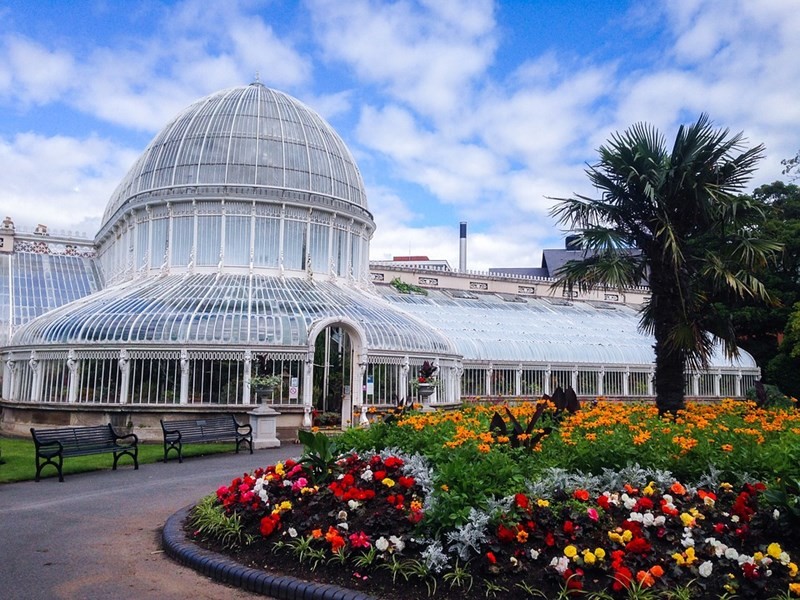
Popular activities in Northern Ireland in winter
Christmas Markets: Experience festive Christmas markets in Belfast and other towns, featuring local crafts, soda bread, and traditional Northern Irish delicacies.
Cosy Pub Culture: Enjoy the warm hospitality of traditional Northern Irish pubs, sampling local cuisine and experiencing authentic Northern Irish culture indoors.
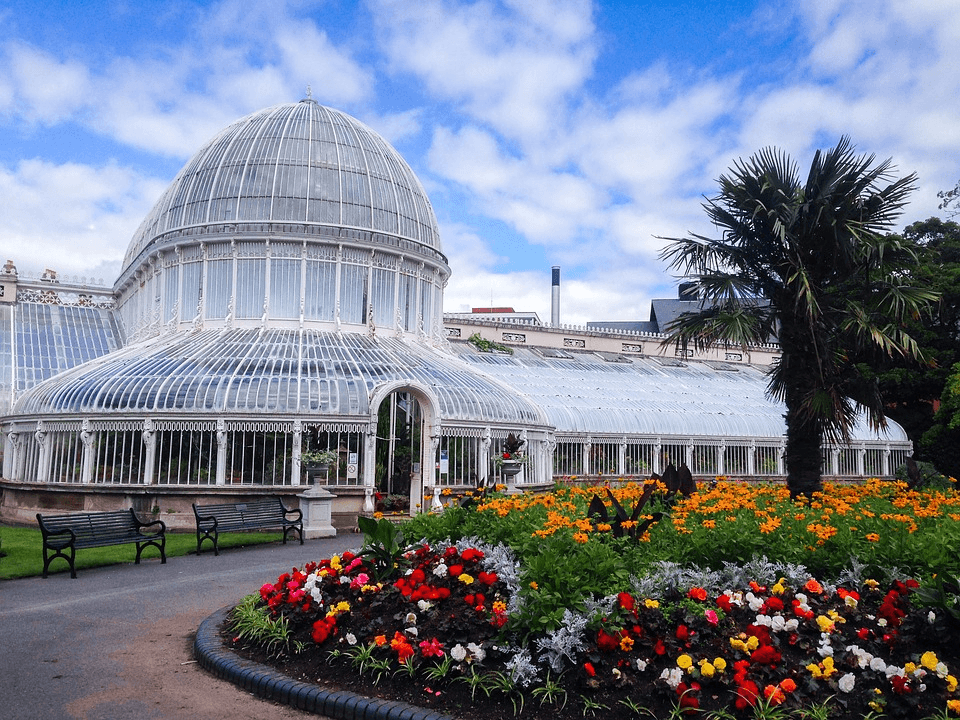
Popular activities in Northern Ireland in spring
Wildflower Walks: Explore the Causeway Coastal Route when wildflowers bloom across the dramatic coastal landscapes and countryside.
Heritage Sites: Visit historic sites like Titanic Belfast and various castles with comfortable temperatures and fewer crowds than summer months.
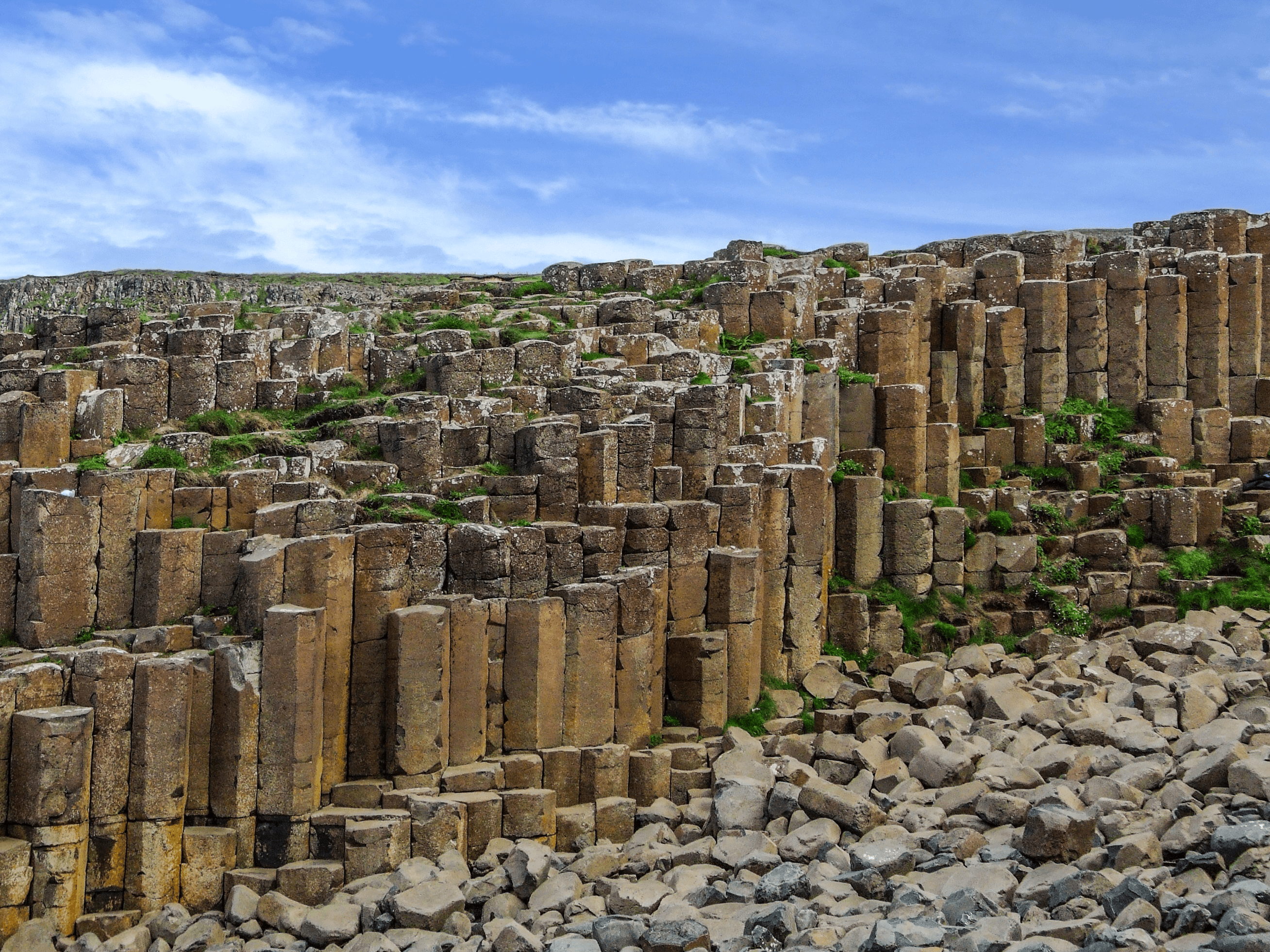
Popular activities in Northern Ireland in summer
Coastal Activities: Walk the Giant's Causeway and cross the Carrick-a-Rede Rope Bridge during the warmest weather with extended daylight hours until 10pm.
Outdoor Festivals: Attend music festivals and outdoor events throughout County Antrim and other regions during the peak tourist season.
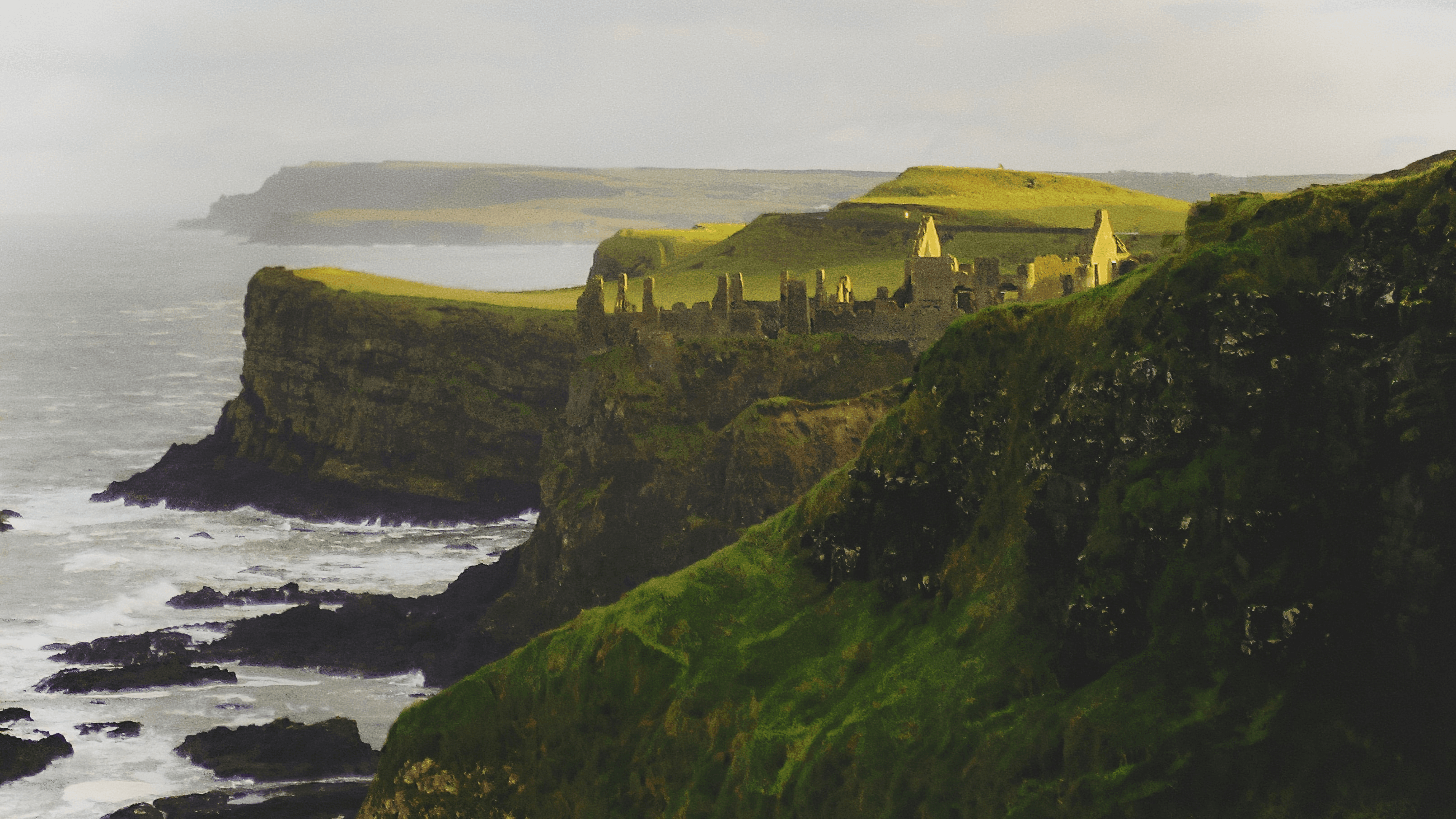
Popular activities in Northern Ireland in autumn
Mourne Mountains Hiking: Trek through the stunning mountain landscapes when autumn colours create spectacular scenery across the region.
Food Festivals: Experience Northern Ireland's renowned food scene during harvest season, including festivals celebrating local produce and Michelin starred restaurants.
Public holidays in Northern Ireland
Knowing the public holidays in Northern Ireland helps you avoid peak travel times, crowded tourist attractions, and higher travel costs, but also lets you plan to be part of festive seasonal events. It also ensures you're aware of potential closures and cultural events to help plan your itinerary.
Date | Official public holidays in Northern Ireland |
|---|---|
January 1 | New Year's Day |
March 17 | St. Patrick's Day |
First Monday in May | Early May Bank Holiday |
Last Monday in May | Spring Bank Holiday |
July 12 | Battle of the Boyne (Orangemen's Day) |
Last Monday in August | Summer Bank Holiday |
December 25 | Christmas Day |
December 26 | Boxing Day |
When is the best time to visit Northern Ireland?
The best time to visit Northern Ireland should align with your interests, chosen activities, and preferred weather conditions. Northern Ireland's diverse landscapes and rich cultural heritage offer distinct opportunities in every season.
Season | Winter | Spring | Summer | Autumn |
|---|---|---|---|---|
Months | December - February | March - May | June - August | September - November |
Weather conditions | Cool and wet weather with temperatures typically ranging between 4-7°C with frequent rain and wind | Mild weather with temperatures typically ranging between 7-13°C with increased daylight | Warmest and driest conditions with temperatures typically ranging between 14-16°C with the longest days | Mild to cool weather conditions with temperatures typically ranging between 8-14°C with beautiful autumn colours |
Popular activities in Northern Ireland in winter
Christmas Markets: Experience festive Christmas markets in Belfast and other towns, featuring local crafts, soda bread, and traditional Northern Irish delicacies.
Cosy Pub Culture: Enjoy the warm hospitality of traditional Northern Irish pubs, sampling local cuisine and experiencing authentic Northern Irish culture indoors.
Popular activities in Northern Ireland in spring
Wildflower Walks: Explore the Causeway Coastal Route when wildflowers bloom across the dramatic coastal landscapes and countryside.
Heritage Sites: Visit historic sites like Titanic Belfast and various castles with comfortable temperatures and fewer crowds than summer months.
Popular activities in Northern Ireland in summer
Coastal Activities: Walk the Giant's Causeway and cross the Carrick-a-Rede Rope Bridge during the warmest weather with extended daylight hours until 10pm.
Outdoor Festivals: Attend music festivals and outdoor events throughout County Antrim and other regions during the peak tourist season.
Popular activities in Northern Ireland in autumn
Mourne Mountains Hiking: Trek through the stunning mountain landscapes when autumn colours create spectacular scenery across the region.
Food Festivals: Experience Northern Ireland's renowned food scene during harvest season, including festivals celebrating local produce and Michelin starred restaurants.
Public holidays in Northern Ireland
Knowing the public holidays in Northern Ireland helps you avoid peak travel times, crowded tourist attractions, and higher travel costs, but also lets you plan to be part of festive seasonal events. It also ensures you're aware of potential closures and cultural events to help plan your itinerary.
Date | Official public holidays in Northern Ireland |
|---|---|
January 1 | New Year's Day |
March 17 | St. Patrick's Day |
First Monday in May | Early May Bank Holiday |
Last Monday in May | Spring Bank Holiday |
July 12 | Battle of the Boyne (Orangemen's Day) |
Last Monday in August | Summer Bank Holiday |
December 25 | Christmas Day |
December 26 | Boxing Day |
Health advice for travelling to Northern Ireland
Here's what you need to know about health risks, healthcare, and medication when travelling in Northern Ireland.
Health risks when travelling in Northern Ireland
Health risks in Northern Ireland are minimal and similar to Australia, however, Northern Ireland's temperate climate and different environment may pose some unique considerations. There are some common health risks to be aware of before you travel to Northern Ireland:
Food and waterborne illnesses
Tap water is safe to drink throughout Northern Ireland. However, be cautious with shellfish and seafood from unregulated sources, and practice good hygiene when trying local delicacies like potato bread and traditional foods.
Travellers diarrhea
Generally uncommon due to high hygiene standards, but sudden dietary changes or trying rich local foods may cause minor digestive upset.
Insect-borne illnesses
While rare, midges (small biting flies) can be prevalent in summer, particularly in rural and coastal areas. Use insect repellent and cover exposed skin during outdoor activities.
Allergies
Pollen levels can be high during spring and summer months. Those with hay fever should bring appropriate medications.
Healthcare in Northern Ireland
Northern Ireland provides excellent healthcare services through the National Health Service (NHS). For Australians visiting Northern Ireland, the Reciprocal Health Care Agreement (RHCA) between Australia and the UK may provide cover for some medical costs during your stay.
Australia's reciprocal health care agreement with the UK
In order for the Reciprocal Healthcare Agreement between Australian and the UK to cover your medical costs in the UK, including Northern Ireland, medical care must be:
Medically necessary care that can’t wait until you get home to Australia,
In the National Health Service (NHS) system
Within 6 months after you arrive to the UK.
The RHCA covers the following types of medical costs:
Care from an NHS doctor or nurse at a GP surgery (you need to register there as an NHS patient)
Care in a public ward of an NHS hospital
Out-patient care at an NHS hospital
Ambulance travel to an NHS hospital or other NHS facilities
Prescription medicine if the doctor treats you as an NHS patient (there is a small fee for this)
The RHCA does not cover the following types of medical costs:
Non-subsidised medicine from pharmacies
Prescription medicines if you’re not an NHS patient
Any dental services
To access these services, present your Australian passport and a Medicare card if available. However, the RHCA does not cover every type of medical expenses, so taking out travel insurance for Northern Ireland in the UK with cover for unexpected medical situations can potentially save you thousands of dollars when cover is not available under the RHCA.
Fast Cover's medical benefits
Fast Cover’s international travel insurance policies include:
overseas 24/7 emergency medical assistance,
overseas emergency medical and hospital expenses,
overseas emergency dental, and
overseas emergency medical evacuation and repatriation
to help cover you if you become unexpectedly injured or sick while in Northern Ireland.*
Travel insurance for existing medical conditions
If you have an existing medical condition, Fast Cover may be able to provide some cover.* You’ll need to complete a medical screening process online or call our Aussie based sales team. To find out more about our medical screening process, and how the policy will apply in relation to an existing medical condition, please read and consider the PDS for eligibility criteria, terms, conditions, exclusions, limits and sub limits that apply.
Always check the eligibility criteria, policy terms, conditions, exclusions and limits that apply. Consider the PDS prior to deciding on which policy is right for you and your needs.
Medication in Northern Ireland
To ensure an easy process with medication before your Northern Ireland trip, make sure to check its legality with the authorities. Australians should note that certain medicines may require specific permits or customs clearance when brought into Northern Ireland. To get ready for travelling with your medication and avoid potential customs delays, consider these steps:
Check Northern Ireland's medication regulations
Consult the UK Home Office for current regulations on bringing prescription and over-the-counter medications into Northern Ireland.
Obtain a permit for restricted medications
Certain controlled substances require special permits. Apply well in advance through the appropriate UK authorities if your medication requires special clearance.
Carry documentation
Bring original prescriptions, a letter from your doctor explaining your medical condition and medication requirements, and keep medications in their original packaging.
Travel limits
Generally bring no more than three months' supply of prescription medications. For controlled medications, limits may be stricter (typically 30 days' supply).
Health advice for travelling to Northern Ireland
Here's what you need to know about health risks, healthcare, and medication when travelling in Northern Ireland.
Health risks when travelling in Northern Ireland
Health risks in Northern Ireland are minimal and similar to Australia, however, Northern Ireland's temperate climate and different environment may pose some unique considerations. There are some common health risks to be aware of before you travel to Northern Ireland:
Food and waterborne illnesses
Tap water is safe to drink throughout Northern Ireland. However, be cautious with shellfish and seafood from unregulated sources, and practice good hygiene when trying local delicacies like potato bread and traditional foods.
Travellers diarrhea
Generally uncommon due to high hygiene standards, but sudden dietary changes or trying rich local foods may cause minor digestive upset.
Insect-borne illnesses
While rare, midges (small biting flies) can be prevalent in summer, particularly in rural and coastal areas. Use insect repellent and cover exposed skin during outdoor activities.
Allergies
Pollen levels can be high during spring and summer months. Those with hay fever should bring appropriate medications.
Healthcare in Northern Ireland
Northern Ireland provides excellent healthcare services through the National Health Service (NHS). For Australians visiting Northern Ireland, the Reciprocal Health Care Agreement (RHCA) between Australia and the UK may provide cover for some medical costs during your stay.
Australia's reciprocal health care agreement with the UK
In order for the Reciprocal Healthcare Agreement between Australian and the UK to cover your medical costs in the UK, including Northern Ireland, medical care must be:
Medically necessary care that can’t wait until you get home to Australia,
In the National Health Service (NHS) system
Within 6 months after you arrive to the UK.
The RHCA covers the following types of medical costs:
Care from an NHS doctor or nurse at a GP surgery (you need to register there as an NHS patient)
Care in a public ward of an NHS hospital
Out-patient care at an NHS hospital
Ambulance travel to an NHS hospital or other NHS facilities
Prescription medicine if the doctor treats you as an NHS patient (there is a small fee for this)
The RHCA does not cover the following types of medical costs:
Non-subsidised medicine from pharmacies
Prescription medicines if you’re not an NHS patient
Any dental services
To access these services, present your Australian passport and a Medicare card if available. However, the RHCA does not cover every type of medical expenses, so taking out travel insurance for Northern Ireland in the UK with cover for unexpected medical situations can potentially save you thousands of dollars when cover is not available under the RHCA.
Fast Cover's medical benefits
Fast Cover’s international travel insurance policies include:
overseas 24/7 emergency medical assistance,
overseas emergency medical and hospital expenses,
overseas emergency dental, and
overseas emergency medical evacuation and repatriation
to help cover you if you become unexpectedly injured or sick while in Northern Ireland.*
Travel insurance for existing medical conditions
If you have an existing medical condition, Fast Cover may be able to provide some cover.* You’ll need to complete a medical screening process online or call our Aussie based sales team. To find out more about our medical screening process, and how the policy will apply in relation to an existing medical condition, please read and consider the PDS for eligibility criteria, terms, conditions, exclusions, limits and sub limits that apply.
Always check the eligibility criteria, policy terms, conditions, exclusions and limits that apply. Consider the PDS prior to deciding on which policy is right for you and your needs.
Medication in Northern Ireland
To ensure an easy process with medication before your Northern Ireland trip, make sure to check its legality with the authorities. Australians should note that certain medicines may require specific permits or customs clearance when brought into Northern Ireland. To get ready for travelling with your medication and avoid potential customs delays, consider these steps:
Check Northern Ireland's medication regulations
Consult the UK Home Office for current regulations on bringing prescription and over-the-counter medications into Northern Ireland.
Obtain a permit for restricted medications
Certain controlled substances require special permits. Apply well in advance through the appropriate UK authorities if your medication requires special clearance.
Carry documentation
Bring original prescriptions, a letter from your doctor explaining your medical condition and medication requirements, and keep medications in their original packaging.
Travel limits
Generally bring no more than three months' supply of prescription medications. For controlled medications, limits may be stricter (typically 30 days' supply).
Northern Ireland laws and customs for travellers
Understanding laws and customs in Northern Ireland will help you avoid misunderstandings with locals and local authorities. Keep in mind that travel insurers generally don't cover you when your claim arises from breaking the law, so it's best to familiarise yourself with local laws before your trip to Northern Ireland.
Obeying local laws when travelling through Northern Ireland
Respecting local laws is important for a trouble-free trip to Northern Ireland. Below are a few common tips to follow to avoid legal trouble.
Registration and identification
Always carry valid identification (passport and ETA confirmation). Australians don't need to register with local authorities for short visits, but ensure your ETA remains valid throughout your stay.
Use and possession of drugs and alcohol
Northern Ireland has strict drug laws with severe penalties for possession and trafficking. The legal drinking age is 18, and drink-driving limits are strictly enforced.
Traffic offences
Northern Ireland drives on the left side of the road. Speed limits are strictly enforced, and penalties for traffic violations can include fines. Always wear seatbelts and avoid using mobile phones while driving.
Social customs in Northern Ireland
Respect and etiquette are important in Northern Ireland. Follow these tips to help navigate social situations in Northern Ireland.
Food and restaurant etiquette
Tipping is customary at 10-15% in restaurants if service charge isn't included. Try local specialities like soda bread, Ulster Fry, and traditional potato bread.
Pub culture and etiquette
Pub culture is central to social life in Northern Ireland. It's customary to buy rounds for your group, and tipping bar staff isn't expected but is appreciated. Respect local traditions and avoid sensitive political discussions.
Religious sites
Northern Ireland has both Protestant and Catholic communities. Be respectful when visiting churches and religious sites, dress modestly, and avoid taking photos during services.
Visa and entry requirements for travelling to Northern Ireland
Australian citizens don't need a visa for short-term visits to Northern Ireland, but from 2025, you must obtain an Electronic Travel Authorisation (ETA) before travelling. The ETA is valid for two years, and allows multiple entries for stays up to six months. Apply through the official UK government ETA website well before your departure date.
Passport requirements in Northern Ireland
Australian passports must be valid for at least six months beyond your intended departure date from Northern Ireland. Ensure your passport has at least one blank page for entry stamps. Make sure to renew your passport in advance to avoid travel disruptions. Learn how to keep your passport safe while travelling in Northern Ireland.
It is important to note that your travel insurance policy may not provide cover if you do not comply with Northern Ireland's visa or other entry requirements. To help ensure you are prepared for your trip, you should research and understand the relevant entry conditions before you travel.
Northern Ireland laws and customs for travellers
Understanding laws and customs in Northern Ireland will help you avoid misunderstandings with locals and local authorities. Keep in mind that travel insurers generally don't cover you when your claim arises from breaking the law, so it's best to familiarise yourself with local laws before your trip to Northern Ireland.
Obeying local laws when travelling through Northern Ireland
Respecting local laws is important for a trouble-free trip to Northern Ireland. Below are a few common tips to follow to avoid legal trouble.
Registration and identification
Always carry valid identification (passport and ETA confirmation). Australians don't need to register with local authorities for short visits, but ensure your ETA remains valid throughout your stay.
Use and possession of drugs and alcohol
Northern Ireland has strict drug laws with severe penalties for possession and trafficking. The legal drinking age is 18, and drink-driving limits are strictly enforced.
Traffic offences
Northern Ireland drives on the left side of the road. Speed limits are strictly enforced, and penalties for traffic violations can include fines. Always wear seatbelts and avoid using mobile phones while driving.
Social customs in Northern Ireland
Respect and etiquette are important in Northern Ireland. Follow these tips to help navigate social situations in Northern Ireland.
Food and restaurant etiquette
Tipping is customary at 10-15% in restaurants if service charge isn't included. Try local specialities like soda bread, Ulster Fry, and traditional potato bread.
Pub culture and etiquette
Pub culture is central to social life in Northern Ireland. It's customary to buy rounds for your group, and tipping bar staff isn't expected but is appreciated. Respect local traditions and avoid sensitive political discussions.
Religious sites
Northern Ireland has both Protestant and Catholic communities. Be respectful when visiting churches and religious sites, dress modestly, and avoid taking photos during services.
Visa and entry requirements for travelling to Northern Ireland
Australian citizens don't need a visa for short-term visits to Northern Ireland, but from 2025, you must obtain an Electronic Travel Authorisation (ETA) before travelling. The ETA is valid for two years, and allows multiple entries for stays up to six months. Apply through the official UK government ETA website well before your departure date.
Passport requirements in Northern Ireland
Australian passports must be valid for at least six months beyond your intended departure date from Northern Ireland. Ensure your passport has at least one blank page for entry stamps. Make sure to renew your passport in advance to avoid travel disruptions. Learn how to keep your passport safe while travelling in Northern Ireland.
It is important to note that your travel insurance policy may not provide cover if you do not comply with Northern Ireland's visa or other entry requirements. To help ensure you are prepared for your trip, you should research and understand the relevant entry conditions before you travel.
Practical tips for tourists travelling in Northern Ireland
Travelling to Northern Ireland offers incredible experiences, from exploring dramatic coastal landscapes to discovering rich cultural heritage through sites like Titanic Belfast and the vibrant streets of Belfast's Cathedral Quarter. It's important to be well-informed about practical details like currency, staying connected and transport. For more information, visit Tourism Northern Ireland’s website Discover Northern Ireland.
Currency in Northern Ireland
Northern Ireland uses pound sterling (£), the same currency as England, Scotland, and Wales, which is different from the Euro used in the Republic of Ireland. Notes are £5, £10, £20, and £50, while coins are 1p, 2p, 5p, 10p, 20p, 50p, £1, and £2. You can exchange currency at banks, post offices, and various exchange offices throughout Northern Ireland.
Common payment methods in Northern Ireland
Mastercard and Visa credit and debit cards, including contactless payments, are widely accepted. When carrying cash, visitors are advised to plan ahead and bring pounds as smaller businesses may not accept euros or may not give optimal exchange rates.
Internet and Wi-Fi in Northern Ireland
Northern Ireland has excellent internet infrastructure with widespread Wi-Fi availability. Most hotels, cafes, restaurants, and public spaces offer free Wi-Fi. 4G and 5G mobile coverage is excellent in cities and towns, though it may be limited in remote rural areas and mountainous regions like the Mourne Mountains.
No special apps or VPNs are required to access the internet in Northern Ireland. Most Australian mobile providers offer roaming packages, but consider purchasing a local UK SIM card or eSIM for longer stays to avoid high roaming charges.
Mobile phones and eSIMs in Northern Ireland
Australian mobile phones work in Northern Ireland on UK networks. Contact your provider about international roaming charges before travelling. eSIMs are widely available from UK providers like EE, Vodafone, and Three, and can be purchased online before your trip or upon arrival at airports and mobile phone stores.
For extended stays, a local SIM or eSIM often provides better value than international roaming. Major providers offer tourist packages with data, calls, and texts suitable for short-term visitors.
Travel adaptors and electronics
Northern Ireland uses Type G electrical outlets (same as Australia) with 240V voltage, so Australian devices work without voltage converters. However, you'll need a UK-style three-pin plug adapter for any devices with different plug types. These are readily available at airports, electronics stores, and even many convenience stores throughout Northern Ireland.
Practical tips for tourists travelling in Northern Ireland
Travelling to Northern Ireland offers incredible experiences, from exploring dramatic coastal landscapes to discovering rich cultural heritage through sites like Titanic Belfast and the vibrant streets of Belfast's Cathedral Quarter. It's important to be well-informed about practical details like currency, staying connected and transport. For more information, visit Tourism Northern Ireland’s website Discover Northern Ireland.
Currency in Northern Ireland
Northern Ireland uses pound sterling (£), the same currency as England, Scotland, and Wales, which is different from the Euro used in the Republic of Ireland. Notes are £5, £10, £20, and £50, while coins are 1p, 2p, 5p, 10p, 20p, 50p, £1, and £2. You can exchange currency at banks, post offices, and various exchange offices throughout Northern Ireland.
Common payment methods in Northern Ireland
Mastercard and Visa credit and debit cards, including contactless payments, are widely accepted. When carrying cash, visitors are advised to plan ahead and bring pounds as smaller businesses may not accept euros or may not give optimal exchange rates.
Internet and Wi-Fi in Northern Ireland
Northern Ireland has excellent internet infrastructure with widespread Wi-Fi availability. Most hotels, cafes, restaurants, and public spaces offer free Wi-Fi. 4G and 5G mobile coverage is excellent in cities and towns, though it may be limited in remote rural areas and mountainous regions like the Mourne Mountains.
No special apps or VPNs are required to access the internet in Northern Ireland. Most Australian mobile providers offer roaming packages, but consider purchasing a local UK SIM card or eSIM for longer stays to avoid high roaming charges.
Mobile phones and eSIMs in Northern Ireland
Australian mobile phones work in Northern Ireland on UK networks. Contact your provider about international roaming charges before travelling. eSIMs are widely available from UK providers like EE, Vodafone, and Three, and can be purchased online before your trip or upon arrival at airports and mobile phone stores.
For extended stays, a local SIM or eSIM often provides better value than international roaming. Major providers offer tourist packages with data, calls, and texts suitable for short-term visitors.
Travel adaptors and electronics
Northern Ireland uses Type G electrical outlets (same as Australia) with 240V voltage, so Australian devices work without voltage converters. However, you'll need a UK-style three-pin plug adapter for any devices with different plug types. These are readily available at airports, electronics stores, and even many convenience stores throughout Northern Ireland.
What should you pack for a trip to Northern Ireland?
Planning what to pack for Northern Ireland ahead of time will ensure you're well-prepared and have taken measures for a stress-free holiday when it comes time to go. Here's our guide on what to pack for your holiday to Northern Ireland.
Seasonal and regional packing
Pack layers for Northern Ireland's changeable weather regardless of season. Essential items include waterproof jacket and trousers, comfortable walking shoes with good grip, warm clothing for cool evenings, and sun protection for occasional bright days. In winter, add warm hats and gloves; in summer, pack light layers and insect repellent for outdoor activities.
Use a TSA-approved luggage lock and set a unique pin to keep your luggage secure. Add a tracking tag to keep track of your luggage location. These small measures can reduce the risk of potential loss or theft.
Luggage and personal effects insurance
Fast Cover's Luggage and Personal Effects benefit may provide cover for theft, loss, or damage to your luggage and personal items. If you're travelling to Northern Ireland with high-value items, you may be able to declare many of them as specified high-value items to help cover them for more than what they are currently covered for under the standard policy terms and conditions.*
Eligibility criteria, policy terms, conditions, exclusions, limits and sub limits apply. Consider the PDS prior to deciding on which policy is right for you and your needs.
What should you pack for a trip to Northern Ireland?
Planning what to pack for Northern Ireland ahead of time will ensure you're well-prepared and have taken measures for a stress-free holiday when it comes time to go. Here's our guide on what to pack for your holiday to Northern Ireland.
Seasonal and regional packing
Pack layers for Northern Ireland's changeable weather regardless of season. Essential items include waterproof jacket and trousers, comfortable walking shoes with good grip, warm clothing for cool evenings, and sun protection for occasional bright days. In winter, add warm hats and gloves; in summer, pack light layers and insect repellent for outdoor activities.
Use a TSA-approved luggage lock and set a unique pin to keep your luggage secure. Add a tracking tag to keep track of your luggage location. These small measures can reduce the risk of potential loss or theft.
Luggage and personal effects insurance
Fast Cover's Luggage and Personal Effects benefit may provide cover for theft, loss, or damage to your luggage and personal items. If you're travelling to Northern Ireland with high-value items, you may be able to declare many of them as specified high-value items to help cover them for more than what they are currently covered for under the standard policy terms and conditions.*
Eligibility criteria, policy terms, conditions, exclusions, limits and sub limits apply. Consider the PDS prior to deciding on which policy is right for you and your needs.
Transport in Northern Ireland: getting around Northern Ireland
Northern Ireland offers various transportation options for exploring its compact but diverse landscape, from vibrant cities to remote coastal areas and mountain regions.
Riding a motorcycle, moped or scooter in Northern Ireland
Motorcycle touring is popular in Northern Ireland, offering excellent access to scenic routes and coastal roads. The Causeway Coastal Route provides spectacular scenery for motorcycle enthusiasts, connecting iconic sites from Belfast to the Giant's Causeway. Ensure you have appropriate licensing, insurance, and safety equipment.
Rental vehicles in Northern Ireland
Car rental is an excellent way to explore Northern Ireland's attractions at your own pace, especially for reaching scenic areas like the Causeway Coastal Route and remote parts of the Mourne Mountains. Major international rental companies operate throughout Northern Ireland, with pick-up locations at airports and city centres.
Trains
Northern Ireland Railways connects Belfast with major towns including Derry-Londonderry, Bangor, and Newry. The train service is reliable and comfortable, offering scenic routes through the countryside. However, the rail network is limited compared to buses, so many attractions require alternative transport.
Buses
Ulsterbus provides comprehensive coverage throughout Northern Ireland, connecting all major towns and many rural areas. Translink offers day passes and tourist tickets that can be cost-effective for multiple journeys. Bus services are frequent between major centres but less regular to remote areas.
Taxis and ride-sharing apps
Licensed taxis operate throughout Northern Ireland, with regulated fares in cities. Uber operates in Belfast and some surrounding areas. For longer journeys or rural destinations, pre-book taxis or arrange return transport, as services may be limited in remote areas.
Sea travel
Ferry services connect Northern Ireland to Scotland and England, providing an alternative arrival route. Local boat trips are available for exploring coastal areas and islands, particularly around the Causeway Coast.
Driving permits and licence requirements
Australian citizens can drive in Northern Ireland using their valid Australian driving licence for up to 12 months. An International Driving Permit (IDP) is recommended for identification purposes with rental companies and to meet most rental vehicle insurance requirements. Remember to drive on the left side of the road and familiarise yourself with local traffic laws and speed limits. Ensure you carry your Australian driver's licence, IDP and rental vehicle insurance at all times.
Coverage for riders and passengers with Fast Cover's Motorcycle Pack
Fast Cover’s Motorcycle Pack is an optional extra available under our international policies that may provide cover to you for being the rider or passenger on a:
Motorcycle
Moped
Scooter*
Fast Cover’s Rental Vehicle Excess Benefit
Fast Cover’s Rental Vehicle Excess benefit may provide cover for the rental vehicle excess component of your rental vehicle insurance with your car hire company in Northern Ireland, up to the specified limit in your travel insurance policy. This benefit applies to a:
Sedan, hatchback, or station wagon
Four-wheel drive or minibus/people mover
A campervan or motorhome (up to 4.5 tonnes)
rented from a licensed motor vehicle rental company (including vehicles rented from peer-to-peer carsharing platforms).*
Eligibility criteria, policy terms, conditions, exclusions, limits and sub limits apply. Consider the PDS prior to deciding on which policy is right for you and your needs.
Transport in Northern Ireland: getting around Northern Ireland
Northern Ireland offers various transportation options for exploring its compact but diverse landscape, from vibrant cities to remote coastal areas and mountain regions.
Riding a motorcycle, moped or scooter in Northern Ireland
Motorcycle touring is popular in Northern Ireland, offering excellent access to scenic routes and coastal roads. The Causeway Coastal Route provides spectacular scenery for motorcycle enthusiasts, connecting iconic sites from Belfast to the Giant's Causeway. Ensure you have appropriate licensing, insurance, and safety equipment.
Rental vehicles in Northern Ireland
Car rental is an excellent way to explore Northern Ireland's attractions at your own pace, especially for reaching scenic areas like the Causeway Coastal Route and remote parts of the Mourne Mountains. Major international rental companies operate throughout Northern Ireland, with pick-up locations at airports and city centres.
Trains
Northern Ireland Railways connects Belfast with major towns including Derry-Londonderry, Bangor, and Newry. The train service is reliable and comfortable, offering scenic routes through the countryside. However, the rail network is limited compared to buses, so many attractions require alternative transport.
Buses
Ulsterbus provides comprehensive coverage throughout Northern Ireland, connecting all major towns and many rural areas. Translink offers day passes and tourist tickets that can be cost-effective for multiple journeys. Bus services are frequent between major centres but less regular to remote areas.
Taxis and ride-sharing apps
Licensed taxis operate throughout Northern Ireland, with regulated fares in cities. Uber operates in Belfast and some surrounding areas. For longer journeys or rural destinations, pre-book taxis or arrange return transport, as services may be limited in remote areas.
Sea travel
Ferry services connect Northern Ireland to Scotland and England, providing an alternative arrival route. Local boat trips are available for exploring coastal areas and islands, particularly around the Causeway Coast.
Driving permits and licence requirements
Australian citizens can drive in Northern Ireland using their valid Australian driving licence for up to 12 months. An International Driving Permit (IDP) is recommended for identification purposes with rental companies and to meet most rental vehicle insurance requirements. Remember to drive on the left side of the road and familiarise yourself with local traffic laws and speed limits. Ensure you carry your Australian driver's licence, IDP and rental vehicle insurance at all times.
Coverage for riders and passengers with Fast Cover's Motorcycle Pack
Fast Cover’s Motorcycle Pack is an optional extra available under our international policies that may provide cover to you for being the rider or passenger on a:
Motorcycle
Moped
Scooter*
Fast Cover’s Rental Vehicle Excess Benefit
Fast Cover’s Rental Vehicle Excess benefit may provide cover for the rental vehicle excess component of your rental vehicle insurance with your car hire company in Northern Ireland, up to the specified limit in your travel insurance policy. This benefit applies to a:
Sedan, hatchback, or station wagon
Four-wheel drive or minibus/people mover
A campervan or motorhome (up to 4.5 tonnes)
rented from a licensed motor vehicle rental company (including vehicles rented from peer-to-peer carsharing platforms).*
Eligibility criteria, policy terms, conditions, exclusions, limits and sub limits apply. Consider the PDS prior to deciding on which policy is right for you and your needs.
Important contact information in Northern Ireland
To be ready for any emergency, having the right contact information is vital. Secure these important details before you head off to Northern Ireland.
Northern Ireland international country code: +44
This code is vital if someone needs to reach you on a Northern Ireland mobile number, especially when using services like an eSIM. For example, dial +44 followed by the local number (dropping the initial 0) to make a call.
Emergency contacts in Northern Ireland
Police: 999
Fire and Rescue: 999
Ambulance and Medical Emergency: 999
Government contacts
UK Embassy in Australia
Website: UK Embassy Canberra
Phone Number: +61 2 6270 6666
Fast Cover 24/7 emergency assistance
In Australia: 02 8320 7999
Overseas: +61 2 8320 7999
Email: emergency@fastcover.com.au (monitored 24/7)
Important contact information in Northern Ireland
To be ready for any emergency, having the right contact information is vital. Secure these important details before you head off to Northern Ireland.
Northern Ireland international country code: +44
This code is vital if someone needs to reach you on a Northern Ireland mobile number, especially when using services like an eSIM. For example, dial +44 followed by the local number (dropping the initial 0) to make a call.
Emergency contacts in Northern Ireland
Police: 999
Fire and Rescue: 999
Ambulance and Medical Emergency: 999
Government contacts
UK Embassy in Australia
Website: UK Embassy Canberra
Phone Number: +61 2 6270 6666
Fast Cover 24/7 emergency assistance
In Australia: 02 8320 7999
Overseas: +61 2 8320 7999
Email: emergency@fastcover.com.au (monitored 24/7)


" height="23.852px" id="H7rD9xfc0" width="24px"/></g></svg>)
" height="24px" id="D0xNtRBAM" width="23.985000000000042px"/><path d="M 6.164 1.681 C 4.529 1.681 2.96 2.331 1.804 3.488 C 0.648 4.645 -0.001 6.214 0 7.849 C 0 11.254 2.76 14.013 6.165 14.013 C 9.569 14.013 12.329 11.254 12.329 7.849 C 12.331 6.213 11.682 4.644 10.526 3.487 C 9.369 2.33 7.8 1.68 6.164 1.681 Z M 6.164 11.851 C 5.103 11.851 4.086 11.429 3.336 10.678 C 2.586 9.928 2.164 8.91 2.165 7.849 C 2.164 6.788 2.586 5.77 3.336 5.019 C 4.086 4.269 5.104 3.847 6.165 3.847 C 8.374 3.849 10.163 5.64 10.162 7.849 C 10.163 8.91 9.741 9.928 8.991 10.678 C 8.242 11.429 7.224 11.851 6.163 11.851 Z M 12.569 2.882 C 13.365 2.882 14.01 2.237 14.01 1.441 C 14.01 0.645 13.365 0 12.569 0 C 11.773 0 11.128 0.645 11.128 1.441 C 11.128 2.237 11.773 2.882 12.569 2.882 Z" fill="rgb(60, 53, 43)" height="14.013499985937251px" id="ani267eTB" transform="translate(6 4)" width="14.010001213073735px"/><path d="M 0 12 C 0 15.262 0.014 15.67 0.072 16.948 C 0.13 18.226 0.336 19.1 0.629 19.864 C 0.936 20.652 1.344 21.324 2.012 21.987 C 2.61 22.598 3.334 23.07 4.134 23.371 C 4.897 23.669 5.771 23.871 7.048 23.928 C 8.33 23.986 8.738 24 11.993 24 C 15.253 24 15.661 23.986 16.938 23.928 C 18.215 23.87 19.088 23.664 19.852 23.371 C 20.652 23.07 21.376 22.598 21.974 21.987 C 22.585 21.389 23.057 20.664 23.357 19.864 C 23.654 19.1 23.856 18.226 23.914 16.948 C 23.971 15.665 23.986 15.257 23.986 12 C 23.986 8.738 23.971 8.33 23.914 7.052 C 23.856 5.774 23.65 4.9 23.357 4.136 C 23.057 3.336 22.585 2.611 21.974 2.013 C 21.38 1.4 20.657 0.927 19.857 0.629 C 19.093 0.331 18.22 0.129 16.943 0.072 C 15.66 0.014 15.253 0 11.998 0 C 8.738 0 8.33 0.014 7.053 0.072 C 5.776 0.13 4.902 0.336 4.138 0.629 C 3.338 0.93 2.614 1.402 2.016 2.013 C 1.407 2.612 0.935 3.337 0.634 4.136 C 0.336 4.9 0.13 5.774 0.072 7.052 C 0.014 8.33 0 8.738 0 12 Z M 2.165 12 C 2.165 8.796 2.18 8.412 2.237 7.148 C 2.29 5.976 2.487 5.338 2.65 4.919 C 2.866 4.362 3.13 3.959 3.553 3.536 C 3.942 3.138 4.414 2.83 4.935 2.633 C 5.358 2.469 5.996 2.273 7.163 2.219 C 8.426 2.162 8.805 2.147 12.012 2.147 C 15.219 2.147 15.598 2.162 16.861 2.219 C 18.032 2.272 18.671 2.469 19.089 2.633 C 19.645 2.849 20.049 3.113 20.471 3.536 C 20.894 3.958 21.148 4.357 21.374 4.919 C 21.537 5.342 21.734 5.981 21.787 7.149 C 21.844 8.412 21.859 8.791 21.859 12 C 21.859 15.209 21.844 15.588 21.787 16.852 C 21.734 18.024 21.537 18.662 21.374 19.081 C 21.18 19.604 20.871 20.076 20.471 20.464 C 20.082 20.863 19.61 21.171 19.089 21.368 C 18.666 21.531 18.028 21.728 16.861 21.781 C 15.598 21.838 15.219 21.853 12.012 21.853 C 8.805 21.853 8.426 21.838 7.163 21.781 C 5.992 21.728 5.353 21.531 4.935 21.368 C 4.413 21.174 3.94 20.865 3.553 20.464 C 3.155 20.074 2.847 19.602 2.65 19.081 C 2.487 18.658 2.29 18.019 2.237 16.851 C 2.175 15.589 2.165 15.204 2.165 12 Z" fill="rgb(60, 53, 43)" height="24px" id="esTnSc0yv" width="23.98599999999999px"/></g></svg>)
" height="24px" id="fyT9sB6P2" width="24px"/></g></svg>)
" height="24px" id="mAVoLRJUC" transform="translate(1 0)" width="21px"/></svg>)