
" height="12.403432762384911px" id="l7b5ZGNv4" transform="translate(2 2)" width="12.403px"/></svg>)
" transform="translate(5 6)" width="14px"/></svg>)
" width="22.142349217048434px"><path d="M 9.61 0.634 C 9.988 0.23 10.517 0 11.071 0 C 11.625 0 12.154 0.23 12.532 0.634 L 13.895 2.092 C 14.289 2.514 14.846 2.745 15.423 2.725 L 17.418 2.658 C 17.972 2.64 18.508 2.851 18.9 3.243 C 19.291 3.634 19.503 4.171 19.484 4.724 L 19.417 6.719 C 19.398 7.296 19.629 7.853 20.05 8.247 L 21.508 9.61 C 21.913 9.988 22.142 10.517 22.142 11.071 C 22.142 11.625 21.913 12.154 21.508 12.532 L 20.05 13.895 C 19.629 14.289 19.398 14.846 19.417 15.423 L 19.484 17.418 C 19.503 17.972 19.291 18.508 18.9 18.9 C 18.508 19.291 17.972 19.503 17.418 19.484 L 15.423 19.417 C 14.846 19.398 14.289 19.629 13.895 20.05 L 12.532 21.508 C 12.154 21.913 11.625 22.142 11.071 22.142 C 10.517 22.142 9.988 21.913 9.61 21.508 L 8.247 20.05 C 7.853 19.629 7.296 19.398 6.719 19.417 L 4.724 19.484 C 4.171 19.503 3.634 19.291 3.243 18.9 C 2.851 18.508 2.64 17.972 2.658 17.418 L 2.725 15.423 C 2.745 14.846 2.514 14.289 2.092 13.895 L 0.634 12.531 C 0.23 12.153 0 11.624 0 11.07 C 0 10.516 0.23 9.987 0.634 9.609 L 2.092 8.246 C 2.514 7.852 2.745 7.295 2.725 6.718 L 2.658 4.723 C 2.64 4.17 2.851 3.633 3.243 3.242 C 3.634 2.85 4.171 2.639 4.724 2.657 L 6.719 2.724 C 7.296 2.744 7.853 2.513 8.247 2.091 L 9.61 0.633 Z" fill="rgb(0, 116, 52)" height="22.142349217048377px" id="ytJyyUTPF" width="22.142349217048434px"/><path d="M 0 3 L 3 6 L 9 0" fill="transparent" height="6px" id="oNmgA7D5s" stroke-dasharray="" stroke-linecap="round" stroke-linejoin="round" stroke-width="2" stroke="rgb(255, 255, 255)" transform="translate(6.5 8)" width="9px"/></g></svg>)


Any advice is general advice only and does not take into account your individual objectives, financial situation, or needs. As entry and visa requirements for the US may change over time, it is your responsibility to verify entry and visa requirements with the official government authorities including the US Department of State - Bureau of Consular Affairs, the United States Customs and Border Protection (CBP), the US Embassy in Australia or your local US Consulate. |
Summary of US entry and visa requirements
Visa exemption for the US
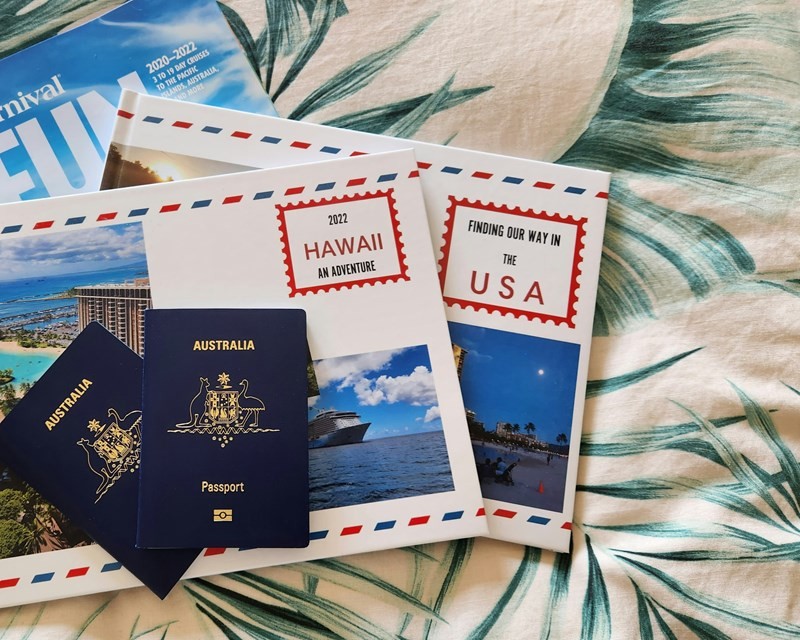
Australian citizens can enter the US visa-free for up to 90 days under the Visa Waiver Program for tourism or business purposes, provided they apply for an Electronic System Travel Authorisation (ESTA) at least 72 hours before arrival to the US.
Electronic System for Travel Authorisation (ESTA)
ESTA is required for all VWP countries entering by air, land, or sea. Travellers under the VWP must apply for an ESTA at least 72 hours before arrival and hold a valid passport. It's valid for 2 years or until passport expiry.
US Global Entry Program
Australian citizens are eligible for the Global Entry program for expedited border clearance, with applications now open to an uncapped number of Aussie citizens.
US visa requirements
For stays longer than 90 days or purposes other than tourism or business, Australian citizens must obtain the appropriate visas before travelling to the US.
US passport requirements
Australians need to have a passport valid for their intended period of stay in the US.
Proof of onward or exit travel
You may need to provide proof of your travel itinerary or other evidence showing your planned departure from the US.
Proof of sufficient funds
Customs Border Protection officers may ask you to show proof of sufficient funds for your stay in the US, which may be tied to your specific visa.
Customs Declaration (CBP form 6059b)
Fill out the online customs declaration form prior to landing in the US where you can declare currency or monetary instruments and goods you are bringing into the US.
Customs and Border Protection inspection
All travellers arriving in the United States are subject to inspection by US Customs and Border Protection (CBP) officers. Incoming travellers must establish their admissibility into the US to the satisfaction of CBP officers. During the inspection CBP officers may search your electronic devices to review and analyse their contents including social media accounts, emails, texts and photos. Learn more about CBP inspections below.
Can Australians enter the USA without a visa?
Yes, Australian citizens can travel to the US without a visa for up to 90 days for tourism or business purposes under the Visa Waiver Program. Upon entry, CBP officers will issue your Form I-94 (an arrival/departure record), which determines your authorised length of stay. However, travellers must have a valid Electronic System for Travel authorisation (ESTA) approval prior to travelling to the US under the VWP. This pre-approves you for travel and is valid for a period of two years, as well as for multiple entries.
What is the US visa waiver program?
The US Visa Waiver Program allows citizens of 42 participating countries, including Australia, to travel to the United States for tourism or business for stays of up to 90 days without obtaining a visa. To be eligible for visa-free entry into the USA, your trip must be for the following tourism or business purposes permitted under the US Visa Waiver Program.
Tourism purposes permitted under the VWP
Tourism
Vacation (holiday)
Visiting with friends or relatives
Medical treatment
Participation in social events hosted by fraternal, social, or service organisations
Participation by amateurs in musical, sports, or similar events or contests, if not being paid for participating
Enrolment in a short recreational course of study, not for credit toward a degree (for example, a two-day cooking class while on vacation)
Business purposes permitted under the VWP
Consulting with business associates,
Attending a scientific, educational, professional, or business convention or conference
Attending short-term training (you may not be paid by any source in the United States with the exception of expenses incidental to your stay)
Negotiating a contract
Travel purposes not permitted under the VWP
Below are some examples of travel purposes which are not permitted under the US Visa Waiver Program. This means you cannot enter the US visa-free if you intend to:
Study, for credit toward a degree
Be employed in the US
Work as foreign press, radio, film, journalists, or other information media
Be a permanent resident in the US
What happens if you travel to the US without a visa?
If you aren’t eligible for the Visa Waiver Program or arrive without the required ESTA authorisation, you may be refused entry into the US, and potentially detained while US Customs and Border Protection arrange your return to Australia. It's essential to ensure you have proper travel authorisation before departure.
Can I get a visa on arrival in the US?
The United States does not offer visa on arrival services for Australian citizens. You must either qualify for visa-free entry under the Visa Waiver Program with ESTA approval, or obtain the appropriate visa before travelling to the US.
What is the Electronic System for Travel Authorisation (ESTA) in the USA?
ESTA is an automated system operated by US Customs and Border Protection that determines the eligibility of visitors to travel to the United States under the Visa Waiver Program. It is mandatory for all VWP travellers arriving by air, land, or sea. Unless an ESTA is revoked, it is valid for two years from the date of authorisation, or until your passport expires, whichever comes first. A valid ESTA allows multiple trips during the 2 years or until your passport expires, whichever comes first. This means you don’t have to reapply for an ESTA for multiple trips within a 2 year period, provided your passport has not expired.
What is the difference between an ESTA and a visa?
It is important to note that ESTA is not a visa but a travel authorisation that screens eligible travellers before they board a carrier to the US. An approved ESTA does not substitute a visa where a United States visa is required by law. Australians who hold a valid visa will still be able to travel to the US on that visa for the purpose for which it was issued and will not be required to apply for an ESTA.
However, Australians travelling to the US visa-free under the Visa Waiver Program, are required to hold an approved ESTA. A key benefit of ESTA is that when entering the US for less than 90 days, you can complete the online form rather than having to go through the various steps associated with the US visitor visa.
What are the requirements for ESTA?
To apply for ESTA, Australians must meet the following eligibility criteria:
Be a citizen or eligible national of a Visa Waiver Program country
You must not hold a visitor’s visa when applying for ESTA
Your travel to the US is for 90 days or less
You plan to travel to the US for business or pleasure (tourism)
You have a return or onward ticket
What do I need to apply for ESTA?
To apply for ESTA, Australians will need the following:
Valid passport from a Visa Waiver Program country
Your valid email address
Your home address and phone number
Your emergency contact’s phone number and email address
Valid payment method (MasterCard, VISA, American Express, Discover or PayPal)
Application fee of USD $21 (approximately AUD $33)
The following information May also be required if applicable:
Your photo or selfie
Your aliases or other names
Your national ID or Personal ID number
Your Global Entry/NEXUS/SENTRI ID number
Your employer’s address and phone number
Your US point of contact name, address and phone number
How do I apply for ESTA?
To apply for ESTA online, visit the official ESTA application website and begin a new individual or group application following the steps below:
Read and answer disclaimers
Enter the applicant’s passport and citizenship information
Enter the applicant’s personal information
Enter the applicant’s travel information
Answer eligibility questions
Review your ESTA application details for accuracy
Pay the ESTA fee (around AUD $33)
What is the US Global Entry Program?
The Global Entry program is a US Customs and Border Protection (CBP) Trusted Traveller Program (TTP) that allows faster immigration and customs clearance for eligible Australians who have been pre-approved when entering the United States. The program is available at major US airports and reduces paperwork and processing times. The Global Entry program is valid for 5 years for approved members.
As of January 2025, the first 1000 eligible Australians had access to Phase One of the Global Entry program. Phase One closed on 21 March 2025, and Australia has paused application processing. Phase Two of the Global Entry Program for Australia is now available to an uncapped number of Australian citizens with applicants no longer needing any prior travel to the US to apply for the program.
The AusCheck website states “if you submitted an application for the US Global Entry program before 15 December 2025 but have not received an outcome, AusCheck will contact you by email with guidance about how to progress your application”.
Eligibility requirements for US Global Entry
Australians must also meet the following eligibility criteria to enrol in the Global Entry program:
Be 18 years of age or older (minors require a parent or legal guardian's consent), and
Be an Australian citizen
According to the AusCheck website, Global Entry applicants must also:
have their identity verified
have zero criminal convictions
have zero relevant Australian Defence Force (ADF) service offences
How do I apply for the US Global Entry Program?
Applications for Phase Two are now open allowing Australian citizens to apply for the US Global Entry program online through the CBPs Trusted Traveller Program. The online application process for Australians involves background checks by CBP and Australian governmental authorities.
Below is a step-by-step application process for the US Global Entry Program for Australian citizens. Please ensure you check your eligibility before applying, as outlined above and on the United States Customs and Border Protection (USCBP) Global Entry eligibility page, and confirm that you also meet Australia’s AusCheck background check requirements
Create a Trusted Traveller Programs (ttp) account
Visit the Trusted Traveller Programs website and create your own account (regardless of your age).
Submit a Global Entry application
Log in to your TTP account and complete the application and pay the application fee, which is USD $120, approximately AUD $187 (currency exchange rates are subject to change continuously).
Check your Global Entry program application status on the TTP dashboard. Your status may be pending risk assessment, conditionally approved, or denied.
Australian background check
Once the USCBP has processed your application, you will receive an email from AusCheck inviting you to apply for and consent to an Australian background check.
All Australian Global Entry applicants must consent to identity verification and AusCheck conducting a background check to assess whether applicants have any Australian criminal convictions or relevant Australian Defence Force (ADF) offences. This involves information shared by the Australian Criminal Intelligence Commission (ACIC) and the Australian Defence Force where applicable. As a Global Entry applicant, you must have zero criminal convictions and zero relevant ADF service offences.
You must apply for the Australian background check through the AusCheck applicant portal or by contacting AusCheck for a manual application form. For more information on the identity documents you may need, visit the AusCheck webpage on how to apply for Global Entry.
Processing times for a background check may vary. Visit the AusCheck webpage on how long does a background check take to learn more about processing times.
The Department of Home Affairs charges a one-time fee per individual for AusCheck background checks as listed below:
$263.50 AUD for 5 years membership (for applicants aged 10 years and over)
$123.50 AUD for 5 years membership (for applicants aged 9 years and under)
After you apply
AusCheck will tell the USCBP whether you have passed or failed the Australian background check. All applicants must undergo additional checks and an in-person interview by the United States as the US is the sole approving authority for the Global Entry program.
Enrolment interview
If your application is conditionally approved, follow instructions to schedule an interview at a Global Entry Enrolment Centre in the US or use the Enrolment on Arrival (EoA) option which is available when entering the US from Australia. No appointment is required for the EoA process, and additional information can be found on the Enrolment on Arrival website.
To complete the interview, you must bring documents that show your current residence address and photo ID including:
A valid passport. If you travel using more than one passport, please bring them all to the interview so that the information can be added to your file.
Documents providing evidence of residency such as a driver’s license, mortgage statement, rental payment instalment or utility bill (this is not required for minors)
A permanent resident card (if applicable)
Eligibility confirmation
After your interview, the CBP will send an email and/or notification to your TTP dashboard regarding your final eligibility determination. If approved, your Global Entry benefits will begin immediately.
US Clear+ program
The US Clear+ program is now open to Australian travellers at a cost of US$209 (or approximately AUD $314) per year. Clear+ is a privately-run adjunct to the US government’s TSA PreCheck, with dedicated lanes at 59 airports across the USA. CLEAR+ is a paid airport Membership that allows members to speed through airport security nationwide in our designated CLEAR+ Lanes at TSA checkpoints. Check the Clear website to find locations and airports where you can use the Clear+ Program. Those lanes, which rely on biometrics to confirm your identity, let you move straight through to security screening.
Visit the Clear website for more information on how to apply.
US Customs and Border Protection inspection
Before you can legally enter the USA, all foreign travellers arriving at a port-of-entry to the United States are subject to inspection by US Customs and Border Protection (CBP) officers. The US has a number of laws, regulations and policies that allow CBP officers to conduct an investigation to determine if you are eligible to enter the United States. The US Code of Federal Regulation on Inspection of Persons Applying for Admission (the regulation) outlines the procedures and rules that CBP officers must follow when inspecting individuals seeking entry into the United States.
When conducting an inspection to determine if you are eligible to enter the US, CBP officers may look at factors including but not limited to immigration status and violations, documentation including visas, health concerns, background checks, criminal history, fraud, social media accounts, contents within your electronic device and national security checks.
Searching your electronic devices at the US border
The CBP Directive on Border Search of Electronic Devices (CBP Directive No. 3340-049A) outlines how officers may inspect, search, and retain data from electronic devices including any device that may contain information in an electronic or digital form such as:
Computers
Tablets
Disks
Drives
Tapes
Mobile phones and other communication devices
Cameras
Music and other media players
This means CBP officers may look through the locally stored contents on your electronic devices including emails, texts, social media apps, photos, etc. CBP officers may ask for social media usernames or handles and may review publicly available social media content. CBP officers may conduct a basic search or an advanced search of your electronic devices.
Basic search
CBP officers may perform a basic search of your electronic device without suspicion, to help determine if you are admissible to enter the US. The basic search involves CBP officers examining your electronic device to review and analyse information and contents stored locally on your device such as emails, texts, social media apps, photos, etc. The CBP may be able to detain or seize your device if you refuse to unlock it.
Advanced search
To conduct an advanced search, CBP officers require reasonable suspicion of a law violation or a national security concern. An advanced search may involve the CBP officer connecting your device to external equipment through a wired or wireless connection, to review, copy and/or analyse the contents of the device.
It is important to note that if CBP officers request your social media passwords and you refuse to provide them, it may be deemed as a refusal to cooperate with the CBP and could affect your admissibility and entry into the United States. Despite having a valid visa or ESTA, Customs and Border Protection officers may ultimately decide if you are admissible to enter the US based on the inspection. Ultimately if you do not prove that you are admissible to enter the US to the satisfaction of the CBP officers, you may be refused entry into the United States.
As entry and visa requirements for the US may change over time, it is your responsibility to verify entry and visa requirements with the official government authorities including the US Department of State - Bureau of Consular Affairs, the United States Customs and Border Protection (CBP), the US Embassy in Australia or your local US Consulate.
It is important to note that your travel insurance policy may not provide cover if you do not comply with US visa or other entry requirements. To help ensure you are prepared for your trip, you should research and understand the relevant entry conditions before you travel to the US.
What are the USA visa requirements for Australian citizens?
Whether you're exploring the entertainment districts of Las Vegas, attending a business conference in New York, or studying in California, your visa requirements will depend on the purpose and length of your visit to the US.
Generally, most US visas will require the following documents to be submitted with the visa application so make sure to prepare them in advance:
Visa application form
Complete the relevant application form for your specific visa. For non-immigrant visas, you can go directly to the online non-immigrant application form DS-160.
Valid passport
Ensure your passport is valid for the duration of your intended stay in the US. To take steps toward a smooth entry into the United States, ensure your passport is valid for at least 6 months beyond your intended period of stay in the US.
Passport photos
Provide recent photographs meeting US visa photo requirements.
Visa interview
While interviews are not always required, consular officers have the discretion to request an interview for a visa applicant. For example, those aged 13 and younger, or 80 and over are generally not required to sit for the interview, but a consular official may request it. Those in the age bracket between 14-79 must attend the interview.
During the interview you must prove that you meet the legal requirements to receive a visa.
The consular official will determine whether you are qualified to receive a visa and may take biometric data including ink-free, digital fingerprint scans as part of the application process.
Purpose specific documents
Additional documents may be required to establish if you are qualified for the visa based on your visa type and purpose of travel (business letters, resume or curriculum vitae, work contracts, university acceptance, etc.).
Pay required visa fees
Generally non-petition based non-immigrant visas to the US cost about AUD $288, while petition-based visa categories such as temporary work visas cost about AUD $320.
Below is a breakdown of common US visa categories and their specific visa requirements for Australians travelling to the US.
USA visitor visa
The US B-1 and B-2 visitor visas are non-immigrant visas that allow Australians to travel to the United States temporarily for business (B-1) or tourism (B-2). These visas are for Australians who plan to stay in the US for longer than the 90-day visa-free period or who don't qualify for the Visa Waiver Program.
USA tourist visitor visa
The B-2 tourist visitor visa covers tourism, vacation, visiting friends and relatives, medical treatment, participation in social events, and amateur entertainment activities. This visa is for Australians who plan to stay in the US for longer than the 90-day visa-free period or who don't qualify for the Visa Waiver Program.
USA business visitor visa
The B-1 business visitor visa allows participation in business activities including consulting with business associates, attending a scientific, educational, professional, or business convention or conference, settling an estate and negotiating a contract.
What are the requirements for a US visitor visa?
To apply for a US visitor visa, the visa application must include the documents outlined in the US visa requirements above, as well as any other specific requirements for your particular visitor visa including information and documents relating to:
The purpose of your trip,
Your intent to depart the United States after your trip, and/or
Your ability to pay all costs of the trip, and
Evidence of your employment and/or your family ties may be sufficient to show the purpose of your trip and your intent to return to your home country. If you cannot cover all the costs for your trip, you may show evidence that another person will cover some or all costs for your trip.
For detailed requirements for specific visitor visas, visit the US Department of State, Bureau of Consular Affairs website for more information.
US temporary work visas and their requirements
The US has multiple categories of temporary work visas for individuals travelling to the United States for work. If the employment is for a fixed period, the applicant can apply for a temporary employment visa. Most applicants for temporary worker visas must have an approved petition. This means your prospective employer in the US must file the petition on your behalf which will be reviewed by the US Citizenship and Immigration Services (USCIS).
To apply for a temporary work visa, the visa application must include the documents outlined in the visa requirements above, as well as any other specific requirements for your particular visitor visa. For detailed requirements for specific temporary worker visas, visit the Bureau of Consular Affairs temporary workers visa page or the USCIS temporary (non-immigrant) workers visa page.
US student visa
The US offers 2 categories of student visas, allowing Australian students to pursue education at Student and Exchange Visitor Program (SEVP) approved institutions in the United States.
F visas
Education in university or college, high school, private elementary school, seminary, conservatory, or another academic institution, including a language training program.
M visas
Vocational or other recognised non-academic institution, other than a language training program.
For short periods of recreational study, a visitor (B) visa is appropriate as it allows enrolment in a short recreational course of study, which is not for credit toward a degree or academic certificate.
What are the requirements for a US study visa
Before you can apply for an exchange visitor visa, you will need acceptance into a SEVP approved school. Follow the steps below to apply for enrolment with a SEVP school:
Apply for Enrolment with a SEVP Approved School: Visit the Study in the States website to learn more about SEVP approved schools.
Student and Exchange Visitor Information System (SEVIS) Registration: Once you are accepted into a qualifying SEVP school, you will automatically be registered in the SEVIS.
Pay the SEVIS Fee: Once you have been registered, pay the SEVIS I-901 fee if it is required by your Student Exchange Visitor Program.
Along with the us visa requirements outlined above, additional requirements for a student visa include:
Acceptance at a SEVP-approved institution
Certificate of eligibility from your SEVP approved school, Form I-20:
Certificate of Eligibility for Non-Immigrant (F-1) Student Status-For Academic and Language Students, or
Certificate of Eligibility for Non-immigrant (M-1) Student Status for Vocational Students
Your academic preparation including:
Transcripts, diplomas, degrees, or certificates from schools you attended
Standardised test scores required by your US school
Your intent to depart the United States upon completion of the course of study
How you will pay all educational, living and travel costs
For detailed requirements for specific student visa categories, visit the Bureau of Consular Affairs student visa page.
Consider if you need travel insurance for a student trip to the US.
US exchange visitor visa
The J-1 Exchange Visitor visa allows Australians to participate in approved exchange categories including summer work travel, short term scholars, interns, specialists, teachers, trainees and more.
What are the requirements for a US exchange visitor visa
Before you can apply for an exchange visitor visa, you will need acceptance into an Exchange Visitor Program. Follow the steps below to apply for an Exchange Visitor Program.
Apply through Pre-Approved Organisation: Visit the J-1 Visa Exchange Visitor Program website to learn more about qualifying exchange programs, such as the Summer Work Travel Pilot Program for Australians.
Student and Exchange Visitor Information System (SEVIS) Registration: Once you are accepted into a qualifying exchange program, you will automatically be registered in the SEVIS.
Pay the SEVIS Fee: Once you have been registered, pay the SEVIS I-901 fee if it is required by your Student Exchange Visitor Program.
To apply for a US exchange visitor visa, the visa application must include the documents outlined in the visa requirements above, as well as any other specific requirements including but not limited to:
Certificate of Eligibility for Exchange Visitor Status, Form DS-2019. Once you are registered with the SEVIS database, you will receive the DS-2019 form
Training/Internship Placement Plan, Form DS-7002 for visa applicants participating in Trainee and Intern categories
For detailed requirements for specific exchange visitor categories, visit the Bureau of Consular Affairs exchange visitor visa page.
Consider if you need travel insurance for a working holiday in the US.
Do I need to apply for a visa to the US?
Australian travellers planning to stay in the US for 90 days or less for tourism or business can enter visa-free under the Visa Waiver Program with ESTA authorisation. However, if your visit involves temporary work, study, or stays longer than 90 days, you will need to complete a visa application through the US Embassy, local US Consulate, or online. Ensure you allow enough processing time and have all required documents ready to avoid delays.
How to apply for a US visa from Australia
Follow the steps below to apply for a visa to the US from Australia.
1. Identify the visa type
Determine which visa category matches your travel purpose using the US Department of State Visa Wizard.
2. Gather supporting documents
Collect all required documents based on your visa type, including completed forms, passport, photos, financial documents, and purpose-specific paperwork as outlined in the directory of visa categories.
3. Visa application methods
In person application
Schedule an interview at the US Embassy in Canberra or US Consulates in Sydney, Melbourne, or Perth. Standard processing time is ten business days from receipt of all required documentation.
Online application
Complete the DS-160 form online, pay visa fees, and schedule your in person interview. Some visa renewal candidates may qualify for interview waivers.
4. Pay the visa fee
Generally non-petition based non-immigrant visas to the US incur a fee of USD $185, or about AUD $288, while petition-based visa categories such as temporary work visas incur a visa fee of USD $205, or about AUD $320. Fees may vary by visa type and additional services such as expedited processing may incur extra charges.
5. Wait for processing
Generally, US visa processing times range from 3-6 weeks in Australia. However, processing times may vary depending on factors like the specific visa type, scheduling and completing your visa interview and additional administration.
How long can I stay in the US with a visa?
The length of time Australians can stay in the US depends on the visa type and the purpose of the visit. If you arrive in the US under the Visa Waiver Program, you cannot extend your stay beyond 90 days and must depart on or before the date on your admission stamp.
Below is a breakdown of different visa options in the US, their period of validity, and extensions.
Visa Type | Period of Validity | Extension |
Visa Exemption (VWP/ESTA) | Up to 90 days | No extensions permitted |
Tourist Visitor Visa (B-2) | Up to 180 days (determined at entry) | Possible with application |
Business Visitor Visa (B-1) | Up to 180 days (determined at entry) | Possible with application |
Temporary Worker Visa (E-3) | Usually 2 years | Renewable with application |
Exchange Visitor Visa (J-1) | Program duration | Limited extensions possible |
Student Visa (F or M) | Duration of studies | Possible for program completion |
Extending your visa for the US
If you enter the United States under the Visa Waiver Program, you cannot extend your stay beyond the initial 90-day period. For other visa types, extensions may be possible if you file the appropriate application with USCIS before your authorised stay expires.
To apply for an extension of your US visa, you will need to complete Form I-539 (Application to Extend/Change non-immigrant Status) and have the following documents and information on hand:
Filing fee payment
Evidence supporting your extension request
Proof of maintained status
Valid passport
What happens if I overstay my visa in the USA?
Overstaying your authorised period in the US can result in serious consequences administered by US Customs and Border Protection and the Department of Homeland Security including:
Being held at a federal detention centre while authorities arrange your return to Australia
Barred from re-entering the US for 3-10 years depending on overstay length
Future visa applications may be denied
Removal proceedings and deportation
Loss of eligibility for Visa Waiver Program
How much does a US visa cost?
Below is a general breakdown of US visa costs for Australians. Additional fees may apply for expedited processing, premium services, or other consular services. Always check current fee schedules on the US Embassy website as fees may change.
Visa Type | Visa Cost |
Tourist and Business Visitor Visa | AUD $288 |
Work Visas | AUD $320 but may vary by category |
Student Visa | AUD $288 plus the SEVIS fee which may vary depending on the visa category |
Exchange Visitor Visa | AUD $288 plus the SEVIS fee which may vary depending on the visa category |
Travel insurance for your trip to the US
When planning your trip to the United States, it's important to consider travel insurance to help protect against some of the unexpected situations, such as medical emergencies. Depending on the policy chosen, it can also provide some protection for many other unexpected situations such as lost luggage, trip cancellation and many activities you might be planning on participating in on your trip. With Fast Cover, you can customise your travel insurance policy to suit your travel plans to the US.
It is important to note that your travel insurance policy may not provide cover if you do not comply with US visa or other entry requirements. To help ensure you are prepared for your trip, you should research and understand the relevant entry conditions before you travel to the US.
Eligibility criteria, policy terms, conditions, exclusions, limits and sub limits apply. Consider the PDS prior to deciding on which policy is right for you and your needs.
Any advice is general advice only and does not take into account your individual objectives, financial situation, or needs. As entry and visa requirements for the US may change over time, it is your responsibility to verify entry and visa requirements with the official government authorities including the US Department of State - Bureau of Consular Affairs, the United States Customs and Border Protection (CBP), the US Embassy in Australia or your local US Consulate. |
Summary of US entry and visa requirements
Visa exemption for the US
Australian citizens can enter the US visa-free for up to 90 days under the Visa Waiver Program for tourism or business purposes, provided they apply for an Electronic System Travel Authorisation (ESTA) at least 72 hours before arrival to the US.
Electronic System for Travel Authorisation (ESTA)
ESTA is required for all VWP countries entering by air, land, or sea. Travellers under the VWP must apply for an ESTA at least 72 hours before arrival and hold a valid passport. It's valid for 2 years or until passport expiry.
US Global Entry Program
Australian citizens are eligible for the Global Entry program for expedited border clearance, with applications now open to an uncapped number of Aussie citizens.
US visa requirements
For stays longer than 90 days or purposes other than tourism or business, Australian citizens must obtain the appropriate visas before travelling to the US.
US passport requirements
Australians need to have a passport valid for their intended period of stay in the US.
Proof of onward or exit travel
You may need to provide proof of your travel itinerary or other evidence showing your planned departure from the US.
Proof of sufficient funds
Customs Border Protection officers may ask you to show proof of sufficient funds for your stay in the US, which may be tied to your specific visa.
Customs Declaration (CBP form 6059b)
Fill out the online customs declaration form prior to landing in the US where you can declare currency or monetary instruments and goods you are bringing into the US.
Customs and Border Protection inspection
All travellers arriving in the United States are subject to inspection by US Customs and Border Protection (CBP) officers. Incoming travellers must establish their admissibility into the US to the satisfaction of CBP officers. During the inspection CBP officers may search your electronic devices to review and analyse their contents including social media accounts, emails, texts and photos. Learn more about CBP inspections below.
Can Australians enter the USA without a visa?
Yes, Australian citizens can travel to the US without a visa for up to 90 days for tourism or business purposes under the Visa Waiver Program. Upon entry, CBP officers will issue your Form I-94 (an arrival/departure record), which determines your authorised length of stay. However, travellers must have a valid Electronic System for Travel authorisation (ESTA) approval prior to travelling to the US under the VWP. This pre-approves you for travel and is valid for a period of two years, as well as for multiple entries.
What is the US visa waiver program?
The US Visa Waiver Program allows citizens of 42 participating countries, including Australia, to travel to the United States for tourism or business for stays of up to 90 days without obtaining a visa. To be eligible for visa-free entry into the USA, your trip must be for the following tourism or business purposes permitted under the US Visa Waiver Program.
Tourism purposes permitted under the VWP
Tourism
Vacation (holiday)
Visiting with friends or relatives
Medical treatment
Participation in social events hosted by fraternal, social, or service organisations
Participation by amateurs in musical, sports, or similar events or contests, if not being paid for participating
Enrolment in a short recreational course of study, not for credit toward a degree (for example, a two-day cooking class while on vacation)
Business purposes permitted under the VWP
Consulting with business associates,
Attending a scientific, educational, professional, or business convention or conference
Attending short-term training (you may not be paid by any source in the United States with the exception of expenses incidental to your stay)
Negotiating a contract
Travel purposes not permitted under the VWP
Below are some examples of travel purposes which are not permitted under the US Visa Waiver Program. This means you cannot enter the US visa-free if you intend to:
Study, for credit toward a degree
Be employed in the US
Work as foreign press, radio, film, journalists, or other information media
Be a permanent resident in the US
What happens if you travel to the US without a visa?
If you aren’t eligible for the Visa Waiver Program or arrive without the required ESTA authorisation, you may be refused entry into the US, and potentially detained while US Customs and Border Protection arrange your return to Australia. It's essential to ensure you have proper travel authorisation before departure.
Can I get a visa on arrival in the US?
The United States does not offer visa on arrival services for Australian citizens. You must either qualify for visa-free entry under the Visa Waiver Program with ESTA approval, or obtain the appropriate visa before travelling to the US.
What is the Electronic System for Travel Authorisation (ESTA) in the USA?
ESTA is an automated system operated by US Customs and Border Protection that determines the eligibility of visitors to travel to the United States under the Visa Waiver Program. It is mandatory for all VWP travellers arriving by air, land, or sea. Unless an ESTA is revoked, it is valid for two years from the date of authorisation, or until your passport expires, whichever comes first. A valid ESTA allows multiple trips during the 2 years or until your passport expires, whichever comes first. This means you don’t have to reapply for an ESTA for multiple trips within a 2 year period, provided your passport has not expired.
What is the difference between an ESTA and a visa?
It is important to note that ESTA is not a visa but a travel authorisation that screens eligible travellers before they board a carrier to the US. An approved ESTA does not substitute a visa where a United States visa is required by law. Australians who hold a valid visa will still be able to travel to the US on that visa for the purpose for which it was issued and will not be required to apply for an ESTA.
However, Australians travelling to the US visa-free under the Visa Waiver Program, are required to hold an approved ESTA. A key benefit of ESTA is that when entering the US for less than 90 days, you can complete the online form rather than having to go through the various steps associated with the US visitor visa.
What are the requirements for ESTA?
To apply for ESTA, Australians must meet the following eligibility criteria:
Be a citizen or eligible national of a Visa Waiver Program country
You must not hold a visitor’s visa when applying for ESTA
Your travel to the US is for 90 days or less
You plan to travel to the US for business or pleasure (tourism)
You have a return or onward ticket
What do I need to apply for ESTA?
To apply for ESTA, Australians will need the following:
Valid passport from a Visa Waiver Program country
Your valid email address
Your home address and phone number
Your emergency contact’s phone number and email address
Valid payment method (MasterCard, VISA, American Express, Discover or PayPal)
Application fee of USD $21 (approximately AUD $33)
The following information May also be required if applicable:
Your photo or selfie
Your aliases or other names
Your national ID or Personal ID number
Your Global Entry/NEXUS/SENTRI ID number
Your employer’s address and phone number
Your US point of contact name, address and phone number
How do I apply for ESTA?
To apply for ESTA online, visit the official ESTA application website and begin a new individual or group application following the steps below:
Read and answer disclaimers
Enter the applicant’s passport and citizenship information
Enter the applicant’s personal information
Enter the applicant’s travel information
Answer eligibility questions
Review your ESTA application details for accuracy
Pay the ESTA fee (around AUD $33)
What is the US Global Entry Program?
The Global Entry program is a US Customs and Border Protection (CBP) Trusted Traveller Program (TTP) that allows faster immigration and customs clearance for eligible Australians who have been pre-approved when entering the United States. The program is available at major US airports and reduces paperwork and processing times. The Global Entry program is valid for 5 years for approved members.
As of January 2025, the first 1000 eligible Australians had access to Phase One of the Global Entry program. Phase One closed on 21 March 2025, and Australia has paused application processing. Phase Two of the Global Entry Program for Australia is now available to an uncapped number of Australian citizens with applicants no longer needing any prior travel to the US to apply for the program.
The AusCheck website states “if you submitted an application for the US Global Entry program before 15 December 2025 but have not received an outcome, AusCheck will contact you by email with guidance about how to progress your application”.
Eligibility requirements for US Global Entry
Australians must also meet the following eligibility criteria to enrol in the Global Entry program:
Be 18 years of age or older (minors require a parent or legal guardian's consent), and
Be an Australian citizen
According to the AusCheck website, Global Entry applicants must also:
have their identity verified
have zero criminal convictions
have zero relevant Australian Defence Force (ADF) service offences
How do I apply for the US Global Entry Program?
Applications for Phase Two are now open allowing Australian citizens to apply for the US Global Entry program online through the CBPs Trusted Traveller Program. The online application process for Australians involves background checks by CBP and Australian governmental authorities.
Below is a step-by-step application process for the US Global Entry Program for Australian citizens. Please ensure you check your eligibility before applying, as outlined above and on the United States Customs and Border Protection (USCBP) Global Entry eligibility page, and confirm that you also meet Australia’s AusCheck background check requirements
Create a Trusted Traveller Programs (ttp) account
Visit the Trusted Traveller Programs website and create your own account (regardless of your age).
Submit a Global Entry application
Log in to your TTP account and complete the application and pay the application fee, which is USD $120, approximately AUD $187 (currency exchange rates are subject to change continuously).
Check your Global Entry program application status on the TTP dashboard. Your status may be pending risk assessment, conditionally approved, or denied.
Australian background check
Once the USCBP has processed your application, you will receive an email from AusCheck inviting you to apply for and consent to an Australian background check.
All Australian Global Entry applicants must consent to identity verification and AusCheck conducting a background check to assess whether applicants have any Australian criminal convictions or relevant Australian Defence Force (ADF) offences. This involves information shared by the Australian Criminal Intelligence Commission (ACIC) and the Australian Defence Force where applicable. As a Global Entry applicant, you must have zero criminal convictions and zero relevant ADF service offences.
You must apply for the Australian background check through the AusCheck applicant portal or by contacting AusCheck for a manual application form. For more information on the identity documents you may need, visit the AusCheck webpage on how to apply for Global Entry.
Processing times for a background check may vary. Visit the AusCheck webpage on how long does a background check take to learn more about processing times.
The Department of Home Affairs charges a one-time fee per individual for AusCheck background checks as listed below:
$263.50 AUD for 5 years membership (for applicants aged 10 years and over)
$123.50 AUD for 5 years membership (for applicants aged 9 years and under)
After you apply
AusCheck will tell the USCBP whether you have passed or failed the Australian background check. All applicants must undergo additional checks and an in-person interview by the United States as the US is the sole approving authority for the Global Entry program.
Enrolment interview
If your application is conditionally approved, follow instructions to schedule an interview at a Global Entry Enrolment Centre in the US or use the Enrolment on Arrival (EoA) option which is available when entering the US from Australia. No appointment is required for the EoA process, and additional information can be found on the Enrolment on Arrival website.
To complete the interview, you must bring documents that show your current residence address and photo ID including:
A valid passport. If you travel using more than one passport, please bring them all to the interview so that the information can be added to your file.
Documents providing evidence of residency such as a driver’s license, mortgage statement, rental payment instalment or utility bill (this is not required for minors)
A permanent resident card (if applicable)
Eligibility confirmation
After your interview, the CBP will send an email and/or notification to your TTP dashboard regarding your final eligibility determination. If approved, your Global Entry benefits will begin immediately.
US Clear+ program
The US Clear+ program is now open to Australian travellers at a cost of US$209 (or approximately AUD $314) per year. Clear+ is a privately-run adjunct to the US government’s TSA PreCheck, with dedicated lanes at 59 airports across the USA. CLEAR+ is a paid airport Membership that allows members to speed through airport security nationwide in our designated CLEAR+ Lanes at TSA checkpoints. Check the Clear website to find locations and airports where you can use the Clear+ Program. Those lanes, which rely on biometrics to confirm your identity, let you move straight through to security screening.
Visit the Clear website for more information on how to apply.
US Customs and Border Protection inspection
Before you can legally enter the USA, all foreign travellers arriving at a port-of-entry to the United States are subject to inspection by US Customs and Border Protection (CBP) officers. The US has a number of laws, regulations and policies that allow CBP officers to conduct an investigation to determine if you are eligible to enter the United States. The US Code of Federal Regulation on Inspection of Persons Applying for Admission (the regulation) outlines the procedures and rules that CBP officers must follow when inspecting individuals seeking entry into the United States.
When conducting an inspection to determine if you are eligible to enter the US, CBP officers may look at factors including but not limited to immigration status and violations, documentation including visas, health concerns, background checks, criminal history, fraud, social media accounts, contents within your electronic device and national security checks.
Searching your electronic devices at the US border
The CBP Directive on Border Search of Electronic Devices (CBP Directive No. 3340-049A) outlines how officers may inspect, search, and retain data from electronic devices including any device that may contain information in an electronic or digital form such as:
Computers
Tablets
Disks
Drives
Tapes
Mobile phones and other communication devices
Cameras
Music and other media players
This means CBP officers may look through the locally stored contents on your electronic devices including emails, texts, social media apps, photos, etc. CBP officers may ask for social media usernames or handles and may review publicly available social media content. CBP officers may conduct a basic search or an advanced search of your electronic devices.
Basic search
CBP officers may perform a basic search of your electronic device without suspicion, to help determine if you are admissible to enter the US. The basic search involves CBP officers examining your electronic device to review and analyse information and contents stored locally on your device such as emails, texts, social media apps, photos, etc. The CBP may be able to detain or seize your device if you refuse to unlock it.
Advanced search
To conduct an advanced search, CBP officers require reasonable suspicion of a law violation or a national security concern. An advanced search may involve the CBP officer connecting your device to external equipment through a wired or wireless connection, to review, copy and/or analyse the contents of the device.
It is important to note that if CBP officers request your social media passwords and you refuse to provide them, it may be deemed as a refusal to cooperate with the CBP and could affect your admissibility and entry into the United States. Despite having a valid visa or ESTA, Customs and Border Protection officers may ultimately decide if you are admissible to enter the US based on the inspection. Ultimately if you do not prove that you are admissible to enter the US to the satisfaction of the CBP officers, you may be refused entry into the United States.
As entry and visa requirements for the US may change over time, it is your responsibility to verify entry and visa requirements with the official government authorities including the US Department of State - Bureau of Consular Affairs, the United States Customs and Border Protection (CBP), the US Embassy in Australia or your local US Consulate.
It is important to note that your travel insurance policy may not provide cover if you do not comply with US visa or other entry requirements. To help ensure you are prepared for your trip, you should research and understand the relevant entry conditions before you travel to the US.
What are the USA visa requirements for Australian citizens?
Whether you're exploring the entertainment districts of Las Vegas, attending a business conference in New York, or studying in California, your visa requirements will depend on the purpose and length of your visit to the US.
Generally, most US visas will require the following documents to be submitted with the visa application so make sure to prepare them in advance:
Visa application form
Complete the relevant application form for your specific visa. For non-immigrant visas, you can go directly to the online non-immigrant application form DS-160.
Valid passport
Ensure your passport is valid for the duration of your intended stay in the US. To take steps toward a smooth entry into the United States, ensure your passport is valid for at least 6 months beyond your intended period of stay in the US.
Passport photos
Provide recent photographs meeting US visa photo requirements.
Visa interview
While interviews are not always required, consular officers have the discretion to request an interview for a visa applicant. For example, those aged 13 and younger, or 80 and over are generally not required to sit for the interview, but a consular official may request it. Those in the age bracket between 14-79 must attend the interview.
During the interview you must prove that you meet the legal requirements to receive a visa.
The consular official will determine whether you are qualified to receive a visa and may take biometric data including ink-free, digital fingerprint scans as part of the application process.
Purpose specific documents
Additional documents may be required to establish if you are qualified for the visa based on your visa type and purpose of travel (business letters, resume or curriculum vitae, work contracts, university acceptance, etc.).
Pay required visa fees
Generally non-petition based non-immigrant visas to the US cost about AUD $288, while petition-based visa categories such as temporary work visas cost about AUD $320.
Below is a breakdown of common US visa categories and their specific visa requirements for Australians travelling to the US.
USA visitor visa
The US B-1 and B-2 visitor visas are non-immigrant visas that allow Australians to travel to the United States temporarily for business (B-1) or tourism (B-2). These visas are for Australians who plan to stay in the US for longer than the 90-day visa-free period or who don't qualify for the Visa Waiver Program.
USA tourist visitor visa
The B-2 tourist visitor visa covers tourism, vacation, visiting friends and relatives, medical treatment, participation in social events, and amateur entertainment activities. This visa is for Australians who plan to stay in the US for longer than the 90-day visa-free period or who don't qualify for the Visa Waiver Program.
USA business visitor visa
The B-1 business visitor visa allows participation in business activities including consulting with business associates, attending a scientific, educational, professional, or business convention or conference, settling an estate and negotiating a contract.
What are the requirements for a US visitor visa?
To apply for a US visitor visa, the visa application must include the documents outlined in the US visa requirements above, as well as any other specific requirements for your particular visitor visa including information and documents relating to:
The purpose of your trip,
Your intent to depart the United States after your trip, and/or
Your ability to pay all costs of the trip, and
Evidence of your employment and/or your family ties may be sufficient to show the purpose of your trip and your intent to return to your home country. If you cannot cover all the costs for your trip, you may show evidence that another person will cover some or all costs for your trip.
For detailed requirements for specific visitor visas, visit the US Department of State, Bureau of Consular Affairs website for more information.
US temporary work visas and their requirements
The US has multiple categories of temporary work visas for individuals travelling to the United States for work. If the employment is for a fixed period, the applicant can apply for a temporary employment visa. Most applicants for temporary worker visas must have an approved petition. This means your prospective employer in the US must file the petition on your behalf which will be reviewed by the US Citizenship and Immigration Services (USCIS).
To apply for a temporary work visa, the visa application must include the documents outlined in the visa requirements above, as well as any other specific requirements for your particular visitor visa. For detailed requirements for specific temporary worker visas, visit the Bureau of Consular Affairs temporary workers visa page or the USCIS temporary (non-immigrant) workers visa page.
US student visa
The US offers 2 categories of student visas, allowing Australian students to pursue education at Student and Exchange Visitor Program (SEVP) approved institutions in the United States.
F visas
Education in university or college, high school, private elementary school, seminary, conservatory, or another academic institution, including a language training program.
M visas
Vocational or other recognised non-academic institution, other than a language training program.
For short periods of recreational study, a visitor (B) visa is appropriate as it allows enrolment in a short recreational course of study, which is not for credit toward a degree or academic certificate.
What are the requirements for a US study visa
Before you can apply for an exchange visitor visa, you will need acceptance into a SEVP approved school. Follow the steps below to apply for enrolment with a SEVP school:
Apply for Enrolment with a SEVP Approved School: Visit the Study in the States website to learn more about SEVP approved schools.
Student and Exchange Visitor Information System (SEVIS) Registration: Once you are accepted into a qualifying SEVP school, you will automatically be registered in the SEVIS.
Pay the SEVIS Fee: Once you have been registered, pay the SEVIS I-901 fee if it is required by your Student Exchange Visitor Program.
Along with the us visa requirements outlined above, additional requirements for a student visa include:
Acceptance at a SEVP-approved institution
Certificate of eligibility from your SEVP approved school, Form I-20:
Certificate of Eligibility for Non-Immigrant (F-1) Student Status-For Academic and Language Students, or
Certificate of Eligibility for Non-immigrant (M-1) Student Status for Vocational Students
Your academic preparation including:
Transcripts, diplomas, degrees, or certificates from schools you attended
Standardised test scores required by your US school
Your intent to depart the United States upon completion of the course of study
How you will pay all educational, living and travel costs
For detailed requirements for specific student visa categories, visit the Bureau of Consular Affairs student visa page.
Consider if you need travel insurance for a student trip to the US.
US exchange visitor visa
The J-1 Exchange Visitor visa allows Australians to participate in approved exchange categories including summer work travel, short term scholars, interns, specialists, teachers, trainees and more.
What are the requirements for a US exchange visitor visa
Before you can apply for an exchange visitor visa, you will need acceptance into an Exchange Visitor Program. Follow the steps below to apply for an Exchange Visitor Program.
Apply through Pre-Approved Organisation: Visit the J-1 Visa Exchange Visitor Program website to learn more about qualifying exchange programs, such as the Summer Work Travel Pilot Program for Australians.
Student and Exchange Visitor Information System (SEVIS) Registration: Once you are accepted into a qualifying exchange program, you will automatically be registered in the SEVIS.
Pay the SEVIS Fee: Once you have been registered, pay the SEVIS I-901 fee if it is required by your Student Exchange Visitor Program.
To apply for a US exchange visitor visa, the visa application must include the documents outlined in the visa requirements above, as well as any other specific requirements including but not limited to:
Certificate of Eligibility for Exchange Visitor Status, Form DS-2019. Once you are registered with the SEVIS database, you will receive the DS-2019 form
Training/Internship Placement Plan, Form DS-7002 for visa applicants participating in Trainee and Intern categories
For detailed requirements for specific exchange visitor categories, visit the Bureau of Consular Affairs exchange visitor visa page.
Consider if you need travel insurance for a working holiday in the US.
Do I need to apply for a visa to the US?
Australian travellers planning to stay in the US for 90 days or less for tourism or business can enter visa-free under the Visa Waiver Program with ESTA authorisation. However, if your visit involves temporary work, study, or stays longer than 90 days, you will need to complete a visa application through the US Embassy, local US Consulate, or online. Ensure you allow enough processing time and have all required documents ready to avoid delays.
How to apply for a US visa from Australia
Follow the steps below to apply for a visa to the US from Australia.
1. Identify the visa type
Determine which visa category matches your travel purpose using the US Department of State Visa Wizard.
2. Gather supporting documents
Collect all required documents based on your visa type, including completed forms, passport, photos, financial documents, and purpose-specific paperwork as outlined in the directory of visa categories.
3. Visa application methods
In person application
Schedule an interview at the US Embassy in Canberra or US Consulates in Sydney, Melbourne, or Perth. Standard processing time is ten business days from receipt of all required documentation.
Online application
Complete the DS-160 form online, pay visa fees, and schedule your in person interview. Some visa renewal candidates may qualify for interview waivers.
4. Pay the visa fee
Generally non-petition based non-immigrant visas to the US incur a fee of USD $185, or about AUD $288, while petition-based visa categories such as temporary work visas incur a visa fee of USD $205, or about AUD $320. Fees may vary by visa type and additional services such as expedited processing may incur extra charges.
5. Wait for processing
Generally, US visa processing times range from 3-6 weeks in Australia. However, processing times may vary depending on factors like the specific visa type, scheduling and completing your visa interview and additional administration.
How long can I stay in the US with a visa?
The length of time Australians can stay in the US depends on the visa type and the purpose of the visit. If you arrive in the US under the Visa Waiver Program, you cannot extend your stay beyond 90 days and must depart on or before the date on your admission stamp.
Below is a breakdown of different visa options in the US, their period of validity, and extensions.
Visa Type | Period of Validity | Extension |
Visa Exemption (VWP/ESTA) | Up to 90 days | No extensions permitted |
Tourist Visitor Visa (B-2) | Up to 180 days (determined at entry) | Possible with application |
Business Visitor Visa (B-1) | Up to 180 days (determined at entry) | Possible with application |
Temporary Worker Visa (E-3) | Usually 2 years | Renewable with application |
Exchange Visitor Visa (J-1) | Program duration | Limited extensions possible |
Student Visa (F or M) | Duration of studies | Possible for program completion |
Extending your visa for the US
If you enter the United States under the Visa Waiver Program, you cannot extend your stay beyond the initial 90-day period. For other visa types, extensions may be possible if you file the appropriate application with USCIS before your authorised stay expires.
To apply for an extension of your US visa, you will need to complete Form I-539 (Application to Extend/Change non-immigrant Status) and have the following documents and information on hand:
Filing fee payment
Evidence supporting your extension request
Proof of maintained status
Valid passport
What happens if I overstay my visa in the USA?
Overstaying your authorised period in the US can result in serious consequences administered by US Customs and Border Protection and the Department of Homeland Security including:
Being held at a federal detention centre while authorities arrange your return to Australia
Barred from re-entering the US for 3-10 years depending on overstay length
Future visa applications may be denied
Removal proceedings and deportation
Loss of eligibility for Visa Waiver Program
How much does a US visa cost?
Below is a general breakdown of US visa costs for Australians. Additional fees may apply for expedited processing, premium services, or other consular services. Always check current fee schedules on the US Embassy website as fees may change.
Visa Type | Visa Cost |
Tourist and Business Visitor Visa | AUD $288 |
Work Visas | AUD $320 but may vary by category |
Student Visa | AUD $288 plus the SEVIS fee which may vary depending on the visa category |
Exchange Visitor Visa | AUD $288 plus the SEVIS fee which may vary depending on the visa category |
Travel insurance for your trip to the US
When planning your trip to the United States, it's important to consider travel insurance to help protect against some of the unexpected situations, such as medical emergencies. Depending on the policy chosen, it can also provide some protection for many other unexpected situations such as lost luggage, trip cancellation and many activities you might be planning on participating in on your trip. With Fast Cover, you can customise your travel insurance policy to suit your travel plans to the US.
It is important to note that your travel insurance policy may not provide cover if you do not comply with US visa or other entry requirements. To help ensure you are prepared for your trip, you should research and understand the relevant entry conditions before you travel to the US.
Eligibility criteria, policy terms, conditions, exclusions, limits and sub limits apply. Consider the PDS prior to deciding on which policy is right for you and your needs.


" height="23.852px" id="H7rD9xfc0" width="24px"/></g></svg>)
" height="24px" id="D0xNtRBAM" width="23.985000000000042px"/><path d="M 6.164 1.681 C 4.529 1.681 2.96 2.331 1.804 3.488 C 0.648 4.645 -0.001 6.214 0 7.849 C 0 11.254 2.76 14.013 6.165 14.013 C 9.569 14.013 12.329 11.254 12.329 7.849 C 12.331 6.213 11.682 4.644 10.526 3.487 C 9.369 2.33 7.8 1.68 6.164 1.681 Z M 6.164 11.851 C 5.103 11.851 4.086 11.429 3.336 10.678 C 2.586 9.928 2.164 8.91 2.165 7.849 C 2.164 6.788 2.586 5.77 3.336 5.019 C 4.086 4.269 5.104 3.847 6.165 3.847 C 8.374 3.849 10.163 5.64 10.162 7.849 C 10.163 8.91 9.741 9.928 8.991 10.678 C 8.242 11.429 7.224 11.851 6.163 11.851 Z M 12.569 2.882 C 13.365 2.882 14.01 2.237 14.01 1.441 C 14.01 0.645 13.365 0 12.569 0 C 11.773 0 11.128 0.645 11.128 1.441 C 11.128 2.237 11.773 2.882 12.569 2.882 Z" fill="rgb(60, 53, 43)" height="14.013499985937251px" id="ani267eTB" transform="translate(6 4)" width="14.010001213073735px"/><path d="M 0 12 C 0 15.262 0.014 15.67 0.072 16.948 C 0.13 18.226 0.336 19.1 0.629 19.864 C 0.936 20.652 1.344 21.324 2.012 21.987 C 2.61 22.598 3.334 23.07 4.134 23.371 C 4.897 23.669 5.771 23.871 7.048 23.928 C 8.33 23.986 8.738 24 11.993 24 C 15.253 24 15.661 23.986 16.938 23.928 C 18.215 23.87 19.088 23.664 19.852 23.371 C 20.652 23.07 21.376 22.598 21.974 21.987 C 22.585 21.389 23.057 20.664 23.357 19.864 C 23.654 19.1 23.856 18.226 23.914 16.948 C 23.971 15.665 23.986 15.257 23.986 12 C 23.986 8.738 23.971 8.33 23.914 7.052 C 23.856 5.774 23.65 4.9 23.357 4.136 C 23.057 3.336 22.585 2.611 21.974 2.013 C 21.38 1.4 20.657 0.927 19.857 0.629 C 19.093 0.331 18.22 0.129 16.943 0.072 C 15.66 0.014 15.253 0 11.998 0 C 8.738 0 8.33 0.014 7.053 0.072 C 5.776 0.13 4.902 0.336 4.138 0.629 C 3.338 0.93 2.614 1.402 2.016 2.013 C 1.407 2.612 0.935 3.337 0.634 4.136 C 0.336 4.9 0.13 5.774 0.072 7.052 C 0.014 8.33 0 8.738 0 12 Z M 2.165 12 C 2.165 8.796 2.18 8.412 2.237 7.148 C 2.29 5.976 2.487 5.338 2.65 4.919 C 2.866 4.362 3.13 3.959 3.553 3.536 C 3.942 3.138 4.414 2.83 4.935 2.633 C 5.358 2.469 5.996 2.273 7.163 2.219 C 8.426 2.162 8.805 2.147 12.012 2.147 C 15.219 2.147 15.598 2.162 16.861 2.219 C 18.032 2.272 18.671 2.469 19.089 2.633 C 19.645 2.849 20.049 3.113 20.471 3.536 C 20.894 3.958 21.148 4.357 21.374 4.919 C 21.537 5.342 21.734 5.981 21.787 7.149 C 21.844 8.412 21.859 8.791 21.859 12 C 21.859 15.209 21.844 15.588 21.787 16.852 C 21.734 18.024 21.537 18.662 21.374 19.081 C 21.18 19.604 20.871 20.076 20.471 20.464 C 20.082 20.863 19.61 21.171 19.089 21.368 C 18.666 21.531 18.028 21.728 16.861 21.781 C 15.598 21.838 15.219 21.853 12.012 21.853 C 8.805 21.853 8.426 21.838 7.163 21.781 C 5.992 21.728 5.353 21.531 4.935 21.368 C 4.413 21.174 3.94 20.865 3.553 20.464 C 3.155 20.074 2.847 19.602 2.65 19.081 C 2.487 18.658 2.29 18.019 2.237 16.851 C 2.175 15.589 2.165 15.204 2.165 12 Z" fill="rgb(60, 53, 43)" height="24px" id="esTnSc0yv" width="23.98599999999999px"/></g></svg>)
" height="24px" id="fyT9sB6P2" width="24px"/></g></svg>)
" height="24px" id="mAVoLRJUC" transform="translate(1 0)" width="21px"/></svg>)